
What to Expect on a Barbados Scuba Diving Trip

Created: November 13, 2026
Planning your first scuba diving trip in Barbados involves more than choosing an underwater site. The day typically includes checking in with the dive team, preparing equipment, attending a safety briefing, traveling by boat, and exploring the selected location. Knowing how these steps fit together helps you arrive prepared and understand what to expect.
Barbados offers opportunities to explore coral reefs and historic wrecks, with the actual dive site depending on your experience, the planned trip, and sea conditions. Some outings include one dive, while others offer two dives at separate locations. Departure times, visibility, marine life sightings, and total trip duration can vary, so confirm the arrangements before booking.
What Should You Confirm Before Your Scuba Diving Trip?
Checking the booking details beforehand helps you prepare for the outing and understand which services are included. Confirm the following details with the operator before the scheduled departure.
- Meeting point and departure time: Confirm the exact location, arrival time, and scheduled departure so you can plan your journey.
- Dive eligibility: Check whether the outing requires scuba certification or offers an introductory experience for eligible beginners.
- Package inclusions: Verify the number of dives, boat transportation, equipment, and professional guidance included in your booking.
- Pickup arrangements: Ask whether hotel transfers are available for your accommodation or whether you need to arrange separate transport.
- Required documents: Confirm whether you need a certification card, logbook, medical form, or other documentation.
- Schedule changes: Understand the operator's arrangements for weather-related delays, cancellations, or rescheduling.
Arriving at the Meeting Point and Checking In
The check-in process confirms your reservation and helps the dive team establish that you are prepared for the planned activity. Arriving at the agreed time gives you an opportunity to complete any outstanding requirements before departure.
Arrival and Confirmation
On arrival, check in with the dive team and confirm the details of your booking.
- Reservation details: Verify the trip type, number of participants, and scheduled activity.
- Diver information: Certified divers may need to present their qualification details and discuss relevant diving experience.
- Outstanding requirements: Complete any required forms or checks before proceeding to the boat.
Getting Ready
After check-in, the team confirms the equipment arrangements and explains the next steps before boarding.
- Equipment fitting: Check that the supplied equipment fits properly and tell the team about any concerns.
- Personal preparation: Organize your belongings and keep essential items accessible.
- Final instructions: Follow the crew's guidance about when and where to board.
Check-in procedures and arrival times vary by operator, so follow the instructions provided with your reservation.
What Happens During the Dive Briefing?
Before the boat reaches the dive site, the dive professional explains the planned activity, including the location, expected conditions, and procedures to follow. The briefing helps participants understand the dive plan and their responsibilities before entering the water.
Understanding the Dive Plan
The dive professional explains the main features of the planned dive and the procedures relevant to the selected site.
- Location and depth: Learn about the planned site and the depth limits appropriate for the group.
- Entry and exit procedures: Understand how you will enter the water and return to the boat.
- Dive route: Listen to the planned route and any site-specific instructions.
Communication and Safety Procedures
Divers also need to understand how to communicate underwater and what to do if a problem occurs.
- Hand signals: Review the signals used to communicate status, direction, or concerns underwater.
- Buddy or group arrangements: Confirm who you will dive with and how the group will stay together.
- Equipment checks: Follow the required checks before entering the water.
- Emergency procedures: Understand how to signal a problem and respond to the dive professional's instructions.
Ask questions if anything is unclear. The plan may be adjusted if conditions at the site require a change.
What Is the Boat Ride to the Dive Site Like?
The boat journey takes participants from the departure point to the selected reef, wreck, or other underwater location. Travel time depends on the site, departure point, and sea conditions. Offshore boat diving provides access to locations that may be difficult to reach directly from shore.
During the journey, follow the crew's instructions and keep equipment and personal belongings secure. The crew will explain when to get ready and how to position your equipment before entering the water. The appropriate entry method depends on the vessel and conditions at the site. Wait for the dive professional's signal before entering the water, and follow the crew's directions throughout the process.
What Will You Experience During the Dive?
Once you enter the water, the dive follows the agreed plan and progresses according to the group's experience and the conditions at the site. The underwater experience varies between reef and wreck locations.
The Descent and Initial Adjustment
The first stage involves adjusting to breathing underwater and becoming comfortable with the equipment.
- Controlled descent: Follow the dive professional's instructions and descend using the planned procedure.
- Breathing and buoyancy: Maintain steady breathing and practice controlling your position in the water.
- Pressure equalization: Equalize your ears as instructed and communicate discomfort immediately.
Exploring the Selected Site
After the initial adjustment, divers follow the planned route and observe the underwater environment.
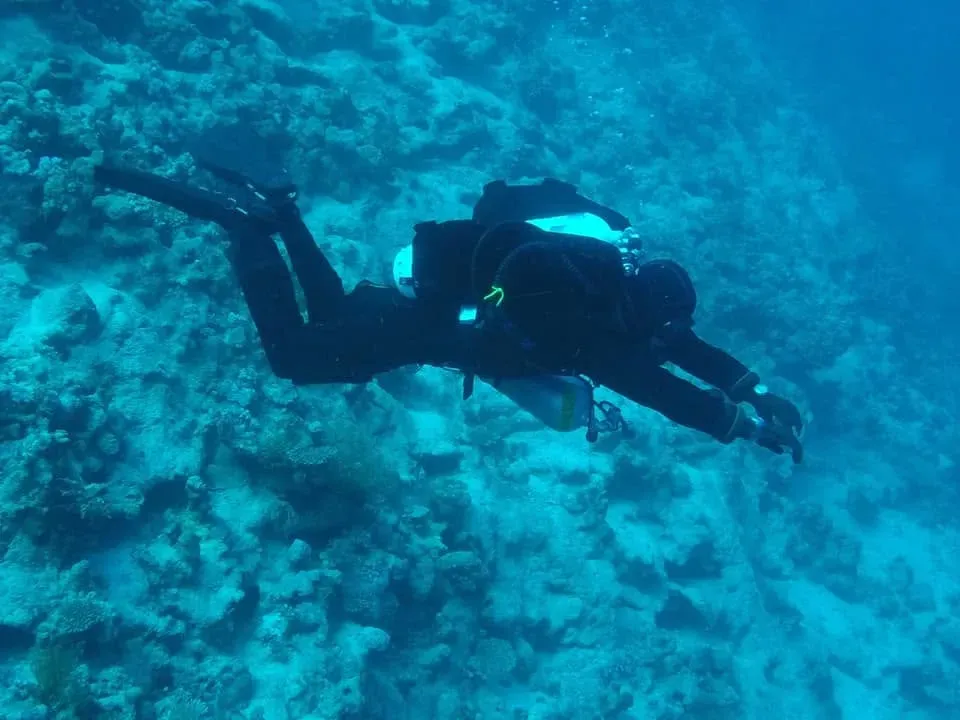
- Reef dives: Depending on the location, you may see coral formations, tropical fish, and other marine life.
- Wreck dives: The experience may involve observing the wreck structure and marine life around it.
- Site conditions: Depth, visibility, currents, and the site's layout affect what you can see and how the dive proceeds.
Ending the Dive
The dive professional guides the group through the planned ascent and exit procedures. Divers should continue monitoring their depth and breathing gas and follow the instructions provided. The actual dive duration depends on the dive plan, conditions, and each diver's gas supply. Follow the established procedure when returning to the boat.
What Happens Between Two Dives?
On a two-dive boat trip, participants return to the vessel after the first dive and follow the crew's instructions before preparing for the next outing. The interval provides time to rest, review the equipment, and follow the required dive procedures.
During the surface interval, divers may have drinking water or permitted refreshments and discuss the next dive with the team. The length of the interval depends on the dive profile and applicable dive-planning requirements. Before the second dive, participants should review any changes to the site or plan, check their equipment, and tell the dive professional if they feel unwell or are not ready to continue. The second dive proceeds only when the schedule, conditions, and professional assessment allow it.
What Marine Life and Dive Sites Might You Encounter?
Barbados has underwater environments that include coral reefs and historic wrecks. The location chosen for a scuba diving trip in Barbados depends on the booking, sea conditions, and the experience level of the divers.
- Coral reefs: Depending on the site, divers may observe reef formations and tropical fish living around the coral.
- Historic wrecks: Locations such as the Trident and Primaria are featured in guided West Coast wreck trips. The suitability of each wreck depends on depth, conditions, and diver experience.
- Other marine life: Sea turtles and rays may be seen during some dives, but sightings are not guaranteed.
- Site conditions: Visibility, currents, depth, and underwater structures affect what divers can observe and how the dive is conducted.
- Responsible observation: Divers should avoid touching coral, entering restricted wreck areas, or disturbing marine animals.
What Happens After You Return to the Boat?
Returning from the dive involves following the crew's exit instructions, securing equipment, and preparing for the journey back. The exact process depends on the vessel and trip arrangements.
Returning from the Dive
Once the group finishes the dive, participants follow the established procedure to leave the water and board the boat.
- Safe exit: Use the designated exit point and follow the crew's instructions when boarding.
- Equipment handling: Secure your equipment as directed and keep the boarding area clear.
- Personal belongings: Check that your belongings are secure before the boat departs.
- Return schedule: Follow the crew's guidance on departure and the expected journey back.
After the Excursion
After reaching the departure point, participants can collect their belongings and complete any remaining arrangements with the team.
- Equipment care: Follow instructions for rinsing, dismantling, or storing rented equipment.
- Dive records: Record the site, depth, duration, and other relevant details in your logbook if you keep one.
- Post-dive planning: Follow recognized guidance on the interval between diving and flying if you have a flight planned.
- Trip feedback: Raise any equipment concerns or questions with the operator before leaving.
How Aquapros Barbados Organizes Your Scuba Diving Trip
We run guided boat trips along Barbados' West Coast, offering reef and wreck diving at locations suited to the planned outing and divers' experience levels. Our trips include single-dive outings, two-site excursions, and multi-dive options. We visit wreck sites such as the Trident and Primaria, with the final site selected according to sea conditions, diver suitability, and the trip schedule.
At Aquapros Barbados, we keep our standard boat trips to a maximum of four divers per guide. We provide boat transportation, safety briefings, tanks, weights, and equipment-handling support according to your chosen trip. We also offer complimentary hotel transfers for eligible accommodations along the West Coast. Our team can clarify the departure time, equipment inclusions, number of dives, and eligibility requirements before you book, helping you prepare for the arrangements specific to your trip.
Conclusion
A scuba diving trip involves several stages, from checking in and preparing equipment to attending the briefing, traveling by boat, exploring the selected site, and returning after the dive. Your experience will depend on the trip format, sea conditions, and diving qualifications. Confirm the schedule, inclusions, and site requirements before booking so you know what to expect. Book your scuba diving trip with Aquapros Barbados to plan your next underwater excursion.
Frequently Asked Questions
1. How long does a scuba diving trip in Barbados take?
The duration depends on the number of dives, boat travel time, site location, and operator's schedule. A two-dive outing generally takes longer than a single-dive trip because it includes a surface interval.
2. What time should you arrive for a scuba diving trip?
Follow the arrival time provided in your booking confirmation. Arriving as instructed allows time for check-in, document verification, equipment preparation, and the pre-dive briefing before the boat departs.
3. Do you need certification for a Barbados scuba diving trip?
Certified-diver trips generally require an appropriate scuba qualification. Eligible beginners may instead book a supervised introductory experience, subject to the program's age, medical, swimming, and participation requirements.
4. What is included in a typical scuba diving trip?
Depending on the booking, inclusions may cover boat transportation, tanks, weights, safety equipment, a dive briefing, and professional guidance. Confirm whether full equipment rental and hotel transfers are included in your specific trip.
5. Can beginners take a boat diving trip in Barbados?
Eligible beginners can participate in suitable introductory programs that provide professional guidance and basic skills practice. Standard recreational boat trips may require certification, so confirm the type of experience available before booking.
6. Will you visit a reef or a wreck during the trip?
The location depends on the selected trip, diver qualifications, experience, and sea conditions. Some outings focus on reefs, while others visit wrecks selected according to the planned dive and participants' suitability.
7. What marine life can you see while diving in Barbados?
Depending on the site and conditions, divers may encounter tropical fish, coral habitats, sea turtles, or rays. Wildlife sightings vary, so no particular animal encounter should be expected or guaranteed.
8. What should you bring on a scuba diving trip?
Bring swimwear, a towel, dry clothes, sunscreen, and drinking water. Certified divers should also bring any required certification documents and confirm whether personal equipment or other items are needed.
9. What happens if weather conditions change on the day of the trip?
The operator may change the dive site, delay departure, reschedule, or cancel if conditions are unsuitable. The available options depend on safety assessments and the operator's published booking policy.
10. Can you book more than one dive during the same trip?
Yes, some outings offer two dives at separate sites, while multi-dive packages may include several outings. Confirm the dive count, surface interval arrangements, schedule, and package conditions before booking.