
What Divers Should Know About Boat Diving in Barbados

Created: November 13, 2026
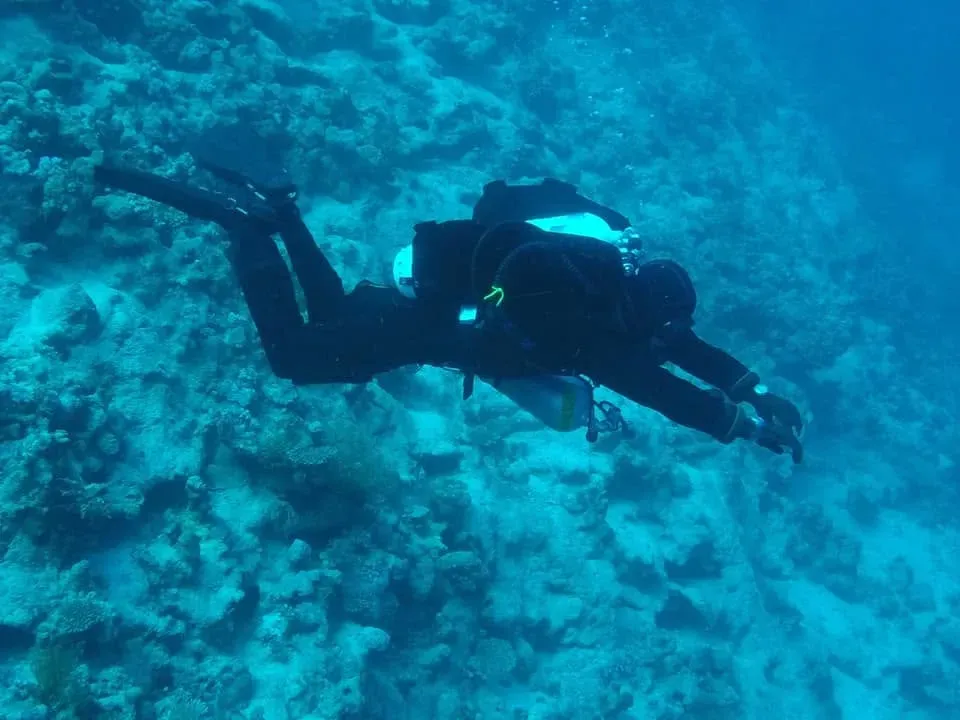
Boat diving gives visitors access to underwater locations that may be difficult to reach from shore. For those considering scuba diving Barbados, a boat trip can provide opportunities to explore coral reefs, historic wrecks, and marine habitats around the island. The experience involves more than the time spent underwater, as divers also need to understand boat procedures, equipment arrangements, and the conditions at their chosen site. Certification and recent diving experience help determine which locations are appropriate. Whether you are planning your first guided dive or returning to explore more of Barbados' underwater environment, understanding how boat diving works helps you prepare for the trip.
Why Choose Boat Diving in Barbados?
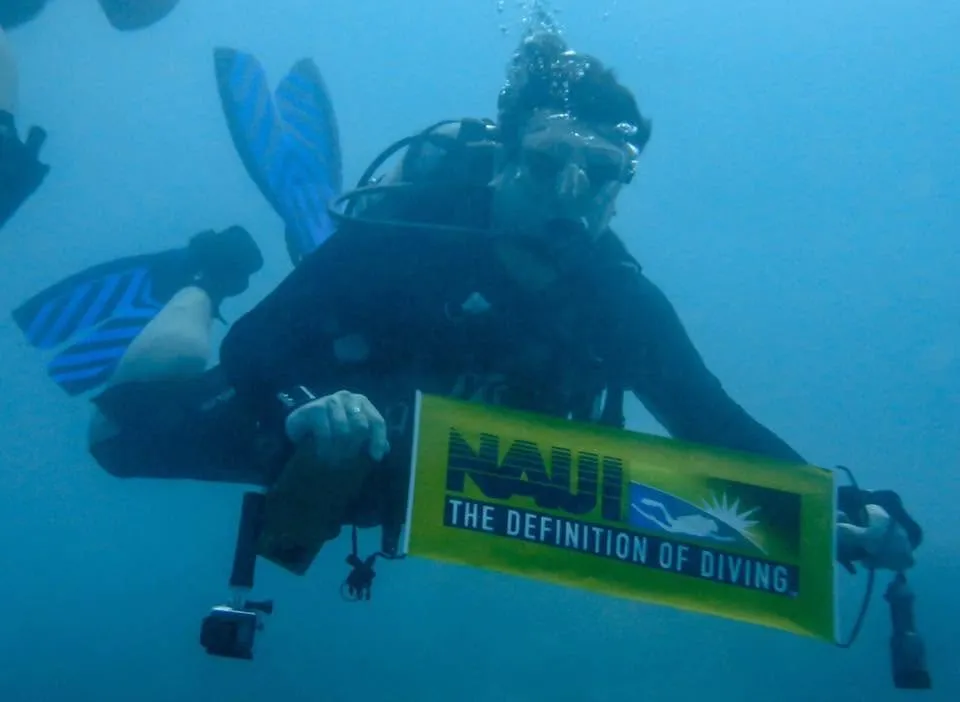
Boat diving allows divers to reach selected offshore reefs, wrecks, and other underwater environments without entering the water directly from the beach. The available locations depend on the departure point, the operator's itinerary, and the prevailing sea conditions. For visitors interested in diving in Barbados, this approach can provide access to a wider range of underwater settings during their stay.
The boat journey also shapes the overall experience. Travel time, the number of planned dives, equipment arrangements, and the facilities available aboard can vary between trips. Conditions may also require changes to the planned destination. Choosing an outing that matches your experience and comfort level is therefore important. Before booking, ask which sites are planned, what the trip includes, and whether any particular certification or experience requirements apply.
What Happens on a Typical Boat-Diving Trip?What Happens on a Typical Boat-Diving Trip?
A boat-diving trip follows a planned sequence, from preparing equipment on shore to returning safely after the dive. Understanding each stage helps visitors know what to expect.
Arrival and the Pre-Dive Briefing
Before departure, divers typically check in, prepare their equipment, and listen to a briefing about the planned site. The guide or crew explains entry and exit procedures, buddy arrangements, communication signals, and relevant emergency instructions. Divers should ask questions if anything is unclear and confirm that their equipment is suitable for the planned activity. Sharing your certification level and recent experience also helps the team assess whether the dive matches your abilities.
The Journey to the Dive Site
Travel time depends on the departure location and the selected destination. During the journey, divers should follow crew instructions, keep equipment secured, and remain aware of movement around the boat. Weather and sea conditions can affect the route or planned location, so the itinerary may change when necessary. Visitors should also confirm departure times and any arrangements for storing personal belongings before leaving shore.
Entering and Exiting the Water
The crew will explain the appropriate entry method and when divers should enter the water. Follow the instructions rather than entering before the signal, and remain aware of other participants. Returning to the boat also requires attention, particularly when waves or currents affect movement. Divers should follow the crew's guidance, maintain awareness of their surroundings, and use the designated exit procedure.
Returning From the Dive
After surfacing, divers must follow the agreed procedure for returning aboard and ensure the crew can account for all participants. Equipment should be handled and secured as instructed, while divers should follow relevant post-dive guidance before undertaking another activity. Clear communication with the crew helps keep the return organized and allows any equipment concerns to be reported promptly.
What Can You Explore While Boat Diving?
The underwater environments available during a boat trip depend on the planned route, sea conditions, and the suitability of each site for the group. Different locations offer different features to explore.
- Reef Sites: Reefs support coral formations, tropical fish, and other marine life. Divers should maintain controlled buoyancy, avoid touching coral, and keep their equipment from dragging across the reef.
- Wreck-Diving Locations: Underwater wrecks offer opportunities to observe submerged structures and marine life that may inhabit them. Divers should choose sites appropriate to their training and experience. Entering a wreck requires specific training and planning and should never be attempted solely out of curiosity.
- Offshore Marine Environments: Selected offshore locations may provide different underwater landscapes and opportunities to observe marine animals. Visibility, currents, and wildlife activity vary, so the experience can differ between trips. Neither a particular sighting nor specific underwater conditions should be assumed in advance.
What Experience or Certification Do You Need?
The qualifications required for boat diving depend on the activity, the dive site's conditions, and the operator's requirements. Visitors should confirm eligibility before selecting a trip.
Boat Diving for Certified Divers
Certified divers can consider guided dives suited to their qualification level, recent experience, and comfort in the water. A Barbados scuba diving trip may involve reefs or wrecks, depending on the itinerary. Divers should understand the planned depth, potential conditions, and required skills before agreeing to participate. Certification does not automatically qualify someone for every dive site, particularly where conditions or additional training requirements apply.
Introductory Diving for Beginners
People without scuba certification may be eligible for a supervised introductory experience if the operator offers one and they meet its requirements. These experiences introduce basic equipment use and underwater breathing under professional supervision, but they do not provide full scuba certification. Beginners should ask about health requirements, minimum age, instruction, and whether the planned activity takes place from a boat.
Choosing a Dive That Matches Your Ability
Be honest about your experience when discussing available trips. Consider how recently you last dived, your comfort with boat entries, and whether you have experience managing currents or changing underwater conditions. More demanding sites may require additional qualifications or experience. Selecting an appropriate dive is more important than choosing a location based only on its reputation or depth.
Boat-Diving Safety and Conditions to Understand
A successful boat dive depends on more than reaching an interesting underwater site. Understanding local conditions, following the crew's instructions, and staying within your training help you prepare for changes during the trip.
- Weather and Sea Conditions: Wind and waves can affect departure times, site selection, and whether a trip proceeds. Be prepared for itinerary changes when conditions make the original plan unsuitable.
- Currents and Visibility: Ask about expected currents and underwater visibility before entering the water. These conditions can influence site suitability and the skills required for a particular dive.
- Boat Procedures: Follow instructions when moving around the vessel, handling equipment, entering the water, and returning aboard. Keep equipment secured during transit.
- Dive Planning and Limits: Follow the briefing, stay within your certification and experience limits, and maintain the agreed buddy procedures throughout the dive.
What Should You Bring on a Boat Dive?
Packing depends on the type of trip and what the operator supplies. Confirm the arrangements beforehand so you can bring the essentials without carrying unnecessary equipment.
- Certification Details: Bring your certification card and logbook if required. Share your recent diving experience and any relevant concerns with the dive team before departure.
- Personal Items: Pack swimwear, a towel, sun protection, and clothing suitable for spending time on a boat.
- Equipment Arrangements: Confirm whether cylinders, weights, regulators, BCDs, masks, and fins are included. Ask about any personal equipment you prefer to use.
- Trip Essentials: Check whether refreshments and storage for personal belongings are available. Secure your phone, camera, and other valuables during the boat journey.
Setting Out for Reef and Wreck Dives With Aquapros BarbadosSetting Out for Reef and Wreck Dives With Aquapros Barbados
A boat trip can take divers from the coast to underwater locations that offer very different experiences. Aquapros Barbados operates guided diving trips along the West Coast, with access to coral reefs and historic wrecks, including the Trident and Primaria. The available destinations depend on the trip and conditions.
We cater to different experience levels, from beginners participating in our Discover Scuba experience to certified divers exploring suitable sites. Our standard boat trips maintain a maximum of four divers per guide, allowing the team to provide guidance suited to the group and planned activity.
We also handle equipment setup and related trip logistics, so guests do not have to manage every piece of gear themselves. Before choosing an outing, visitors can clarify the planned sites, certification requirements, and equipment arrangements to understand what the experience involves.
Conclusion
Boat diving offers a practical way to explore Barbados' reefs, wrecks, and underwater habitats beyond the shoreline. Choosing a trip that matches your certification and experience helps you get more from the time in the water, while understanding boat procedures makes the journey easier to navigate. Conditions and sites can change, so confirm the details before departure. Share your plans for a boat dive in Barbados with the Aquapros team to discuss available experiences and find an option that fits your time on the island.
Frequently Asked Questions About Boat Diving in Barbados
1. What Is Boat Diving?
Boat diving involves traveling by vessel to an underwater site before entering the water. It provides access to selected reefs, wrecks, and offshore locations.
2. Is Boat Diving in Barbados Suitable for Beginners?
Some trips accommodate eligible beginners through supervised introductory experiences. Requirements vary, so confirm the activity, health criteria, and level of instruction before making arrangements.
3. Do You Need Scuba Certification for Boat Diving?
Certification is generally required for independent recreational dives. Eligible beginners may join supervised introductory experiences without full certification, provided they meet the operator's requirements.
4. What Can You See While Boat Diving in Barbados?
Depending on the site, divers may encounter coral formations, tropical fish, marine life, and historic wrecks. Visibility and wildlife sightings vary with local conditions.
5. How Long Does a Boat-Diving Trip Usually Take?
Trip duration depends on the number of planned dives, travel time, departure location, and surface intervals. Confirm the expected schedule with your chosen operator beforehand.
6. What Should You Bring on a Boat Dive?
Bring swimwear, a towel, sun protection, and any required certification details. Ask whether diving equipment, refreshments, and personal storage arrangements are included.
7. Can Weather Conditions Change a Boat-Diving Itinerary?
Yes. Wind, waves, currents, and other conditions may lead to a change of site, a delayed departure, or cancellation when proceeding is unsuitable.
8. How Is Boat Diving Different From Shore Diving?
Boat diving takes participants directly to selected underwater sites by vessel, while shore diving begins from land. Each method has different access and entry considerations.
9. How Do You Choose a Suitable Boat-Diving Site?
Consider your certification, recent experience, depth limits, and comfort with local conditions. Ask the operator about the planned site and any specific requirements.
10. What Should You Ask a Dive Operator Before Booking?
Ask about departure arrangements, planned sites, group size, certification requirements, equipment inclusions, and how weather-related changes are handled before confirming your trip.