
West Coast Barbados Scuba Diving: What Makes This Area Different

Created: November 13, 2026
The West Coast offers divers opportunities to explore selected reefs, historic wrecks, and coastal underwater environments that make scuba diving in Barbados appealing to visitors with different interests. The experience depends on the site, sea conditions, and the type of dive planned. Some divers prefer observing coral formations and tropical fish, while others are interested in submerged structures and the marine life around them. Access by boat can make certain locations easier to reach, although not every site suits every diver. Understanding the area's underwater features, available activities, and site requirements helps visitors choose a diving experience that fits their abilities and interests.
What Sets Barbados' West Coast Apart for Divers?
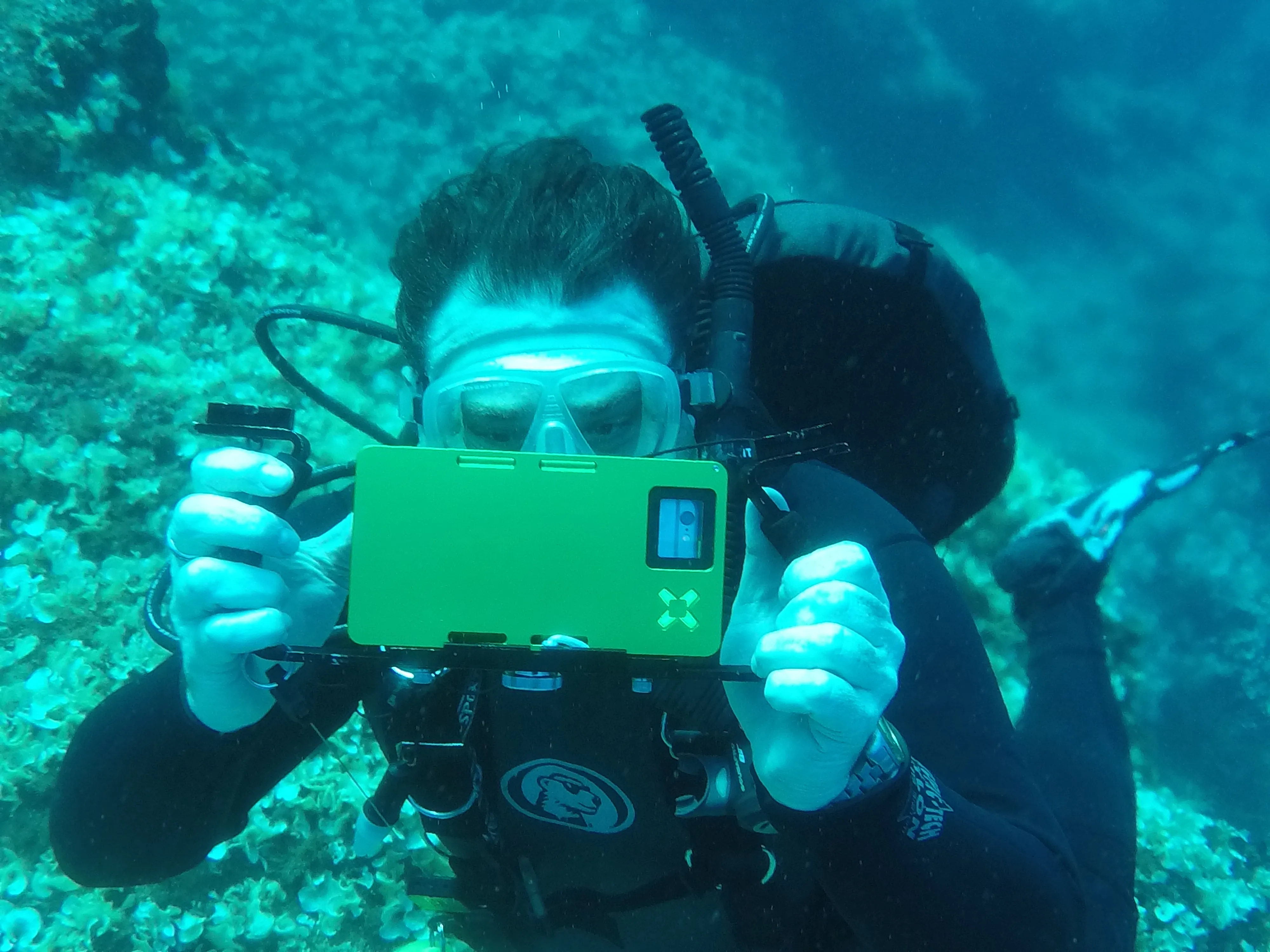
Barbados' West Coast attracts divers interested in exploring reefs, wrecks, and other underwater environments accessible from the island's coastal areas. The variety of sites can offer different experiences within the same region, from observing marine habitats to examining submerged structures. Boat trips can provide access to selected locations, depending on departure points, itineraries, and sea conditions.
However, the West Coast should not be treated as one uniform dive site. Depth, visibility, currents, and underwater terrain can differ between locations and from one day to another. These differences affect which sites are suitable for particular experience levels. Visitors comparing Barbados scuba diving options should consider the type of environment they want to explore alongside their certification and comfort in the water. A suitable site and a well-planned trip matter more than choosing a location based on reputation alone.
Reefs, Wrecks and Other Underwater Features
The underwater environments along the West Coast offer different features to explore. The location selected for a trip determines the terrain, depth, and marine life divers may encounter.
- Reef Environments: Reefs support coral formations, tropical fish, and other marine organisms. Divers can observe these habitats while maintaining controlled buoyancy and avoiding contact with coral. Visibility and the species encountered depend on local conditions and the selected site.
- Historic Wrecks: Submerged wrecks provide opportunities to observe underwater structures and the marine life associated with them. Divers should understand the site's depth and layout before entering the water. Viewing a wreck from the outside differs significantly from entering an enclosed structure, which requires appropriate specialist training and planning.
- Different Site Profiles: Dive locations vary in depth, terrain, current exposure, and visibility. Some may suit divers seeking a straightforward recreational experience, while others require greater experience or specific skills. The planned conditions and a diver's qualifications should determine site selection.
What Is the Diving Experience Like Along the West Coast?
The experience varies with the destination, the conditions, and how divers reach the site. Understanding the practical differences helps visitors know what to expect before departure.
Reaching the Dive Site by Boat
Boat trips allow divers to reach selected reefs and wrecks without entering the water directly from shore. Travel time depends on the departure point and destination, while weather and sea conditions can affect the route or itinerary. Divers should follow crew instructions, secure equipment during transit, and understand the entry and exit procedures before reaching the site.
Exploring Underwater Landscapes
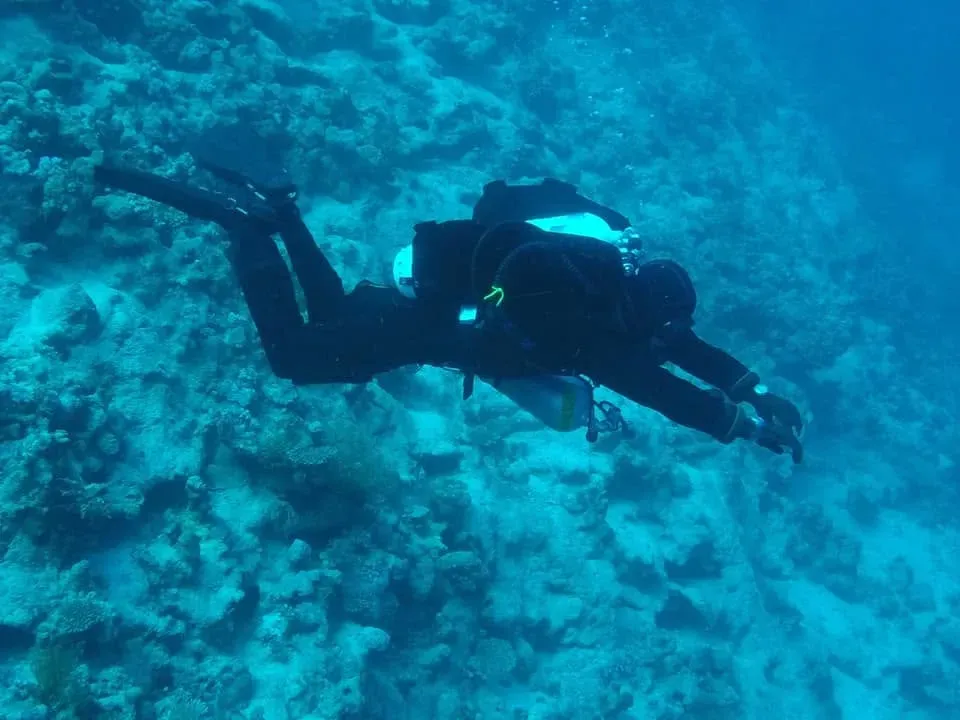
Once underwater, divers may observe coral formations, tropical fish, submerged structures, and other marine life. Each site offers its own characteristics, so the experience can differ between dives. Visibility, currents, and animal movements also influence what is seen. A planned wreck dive, for example, may focus on the structure itself, while a reef dive may emphasize the surrounding marine habitat.
Matching the Dive to Your Experience
The right site depends on certification, recent diving experience, comfort in the water, and the conditions expected on the day. Depth, currents, and entry or exit procedures can affect the level of skill required. Divers should discuss their abilities honestly and choose a location that matches their training rather than attempting a more demanding site simply because it is available.
Scuba Diving or Snorkeling: Which Suits Your Visit?
Both activities provide ways to experience Barbados' marine environment, but they differ in equipment, depth, and the skills required. The best choice depends on your comfort in the water and the type of experience you want.
Scuba Diving for Certified Divers
Certified divers can explore suitable underwater sites while using scuba equipment to breathe beneath the surface. Good buoyancy control, awareness of depth limits, and familiarity with equipment are essential. Before choosing a site, divers should confirm that its conditions match their certification and recent experience.
Introductory Scuba Diving for Beginners
Eligible beginners may be able to participate in a supervised introductory experience without completing a full certification course. These sessions introduce underwater breathing, basic equipment use, and essential safety procedures. Participants must meet the applicable requirements and follow professional instructions. An introductory experience is not a substitute for full scuba certification.
Snorkeling Along the Coast
Barbados snorkeling offers surface-level opportunities to observe marine life with a mask, snorkel, and fins. It may suit visitors who prefer not to use scuba equipment or who are not ready to dive beneath the surface. Swimming ability, sea conditions, and the selected location still influence suitability. Snorkeling and scuba diving provide different perspectives, so the choice should reflect personal comfort and the conditions available.
How to Choose the Right West Coast Dive Site
Selecting a dive site involves more than choosing between a reef and a wreck. The location should suit your experience, interests, and the conditions expected during the trip.
- Depth and Experience: Check the planned depth against your certification, recent diving activity, and comfort underwater.
- Underwater Features: Decide whether you are more interested in coral habitats, tropical fish, or submerged wreck structures.
- Sea Conditions: Visibility, currents, and weather can affect site suitability and may lead to itinerary changes.
- Trip Arrangements: Confirm the departure point, equipment availability, dive duration, and whether the trip accommodates your experience level.
These considerations help narrow the options without assuming that every West Coast site offers the same conditions or experience.
What to Know Before Booking a West Coast Dive
Before booking, confirm what the trip includes and which dive sites may be visited. Ask whether equipment is provided, whether certification is required, and how the operator determines site suitability. If you are interested in a particular reef or wreck, check whether it is part of the planned itinerary rather than assuming it will be included.
Your recent diving experience is also relevant, even if you hold a certification. Share when you last dived, your comfort with different depths, and any areas where you need additional guidance. Weather and sea conditions can change the day's plans, so remain open to an alternative site when necessary. Clear communication before departure helps establish realistic expectations and supports appropriate planning.
Exploring West Coast Dive Sites With Aquapros BarbadosExploring West Coast Dive Sites With Aquapros Barbados
At Aquapros Barbados, we help visitors consider diving experiences that reflect their interests, abilities, and plans for their time on the island. The West Coast offers different underwater environments, including reefs and wrecks, and the appropriate choice depends on the conditions and the diver's experience. Understanding these differences helps us discuss which type of outing may be suitable.
For visitors interested in scuba diving in Barbados, we can discuss available diving activities, including boat diving and options for people who are new to the sport. Certified divers should share their qualification level and recent experience, while beginners should ask about the requirements for an introductory session. These details help establish which experiences may be appropriate.
We also encourage visitors to ask about equipment, departure arrangements, and the planned dive before making a booking. Our aim is to provide clear information about the available scuba diving trips so that guests can make an informed decision about their time underwater.
Conclusion
The West Coast of Barbados offers different underwater environments, from reef habitats to submerged wrecks. The experience at each site depends on its depth, features, and the sea conditions on the day. Considering these factors before booking helps you choose an activity that suits your interests and abilities, whether you prefer scuba diving or snorkeling. Certification, recent experience, and clear trip arrangements also matter. Tell our team what you would like to explore along Barbados' West Coast, and we can discuss the diving experiences available for your visit.
Frequently Asked Questions
1. What Makes the West Coast of Barbados Different for Scuba Diving?
The West Coast offers access to reef environments and wreck sites. Each location has different underwater features, depths, and conditions, creating varied experiences for divers.
2. What Can You See While Scuba Diving on Barbados' West Coast?
Depending on the site, divers may see coral formations, tropical fish, submerged structures, and other marine organisms. Sightings vary with location and conditions.
3. Are There Wreck-Diving Sites Along the West Coast?
Yes, wreck sites are part of Barbados' diving appeal. The depth, condition, and accessibility of each wreck determine which divers can visit it safely.
4. Is West Coast Barbados Scuba Diving Suitable for Beginners?
Some introductory experiences may suit eligible beginners under professional supervision. Site selection and participation requirements depend on the programme, conditions, and individual suitability.
5. Is Snorkeling Available Along Barbados' West Coast?
Snorkeling can provide opportunities to observe marine life from the surface. Suitable locations depend on sea conditions, swimming ability, and the arrangements available.
6. Do You Need Certification to Scuba Dive on the West Coast?
Certification is generally required for independent recreational dives. Eligible beginners may participate in supervised introductory experiences that follow the operator's requirements.
7. How Do Weather Conditions Affect West Coast Diving?
Weather and sea conditions can affect visibility, currents, boat travel, and site access. Operators may change the planned location or postpone a trip when necessary.
8. How Do You Choose Between Reef Diving and Wreck Diving?
Consider your interests, experience, and comfort underwater. Reef dives focus on marine habitats, while wreck dives involve exploring submerged structures and may have additional requirements.
9. What Should You Bring on a West Coast Dive Trip?
Bring swimwear, a towel, sun protection, and any personal items requested by the operator. Confirm whether dive equipment, drinking water, and other essentials are provided.
10. How Can You Choose a Suitable West Coast Diving Operator?
Ask about instructor qualifications, safety procedures, equipment, planned sites, and experience requirements. Clear answers help you understand whether the trip suits your needs.