
Turtle Diving in Barbados: What Divers Should Know Before Their Trip

Created: November 13, 2026
Barbados offers opportunities to observe sea turtles in their natural marine environment, making it an appealing destination for visitors interested in scuba diving Barbados experiences. Encounters may take place around reefs and other underwater habitats, where turtles share the water with tropical fish and other marine life. However, sightings depend on location, sea conditions, and natural animal behavior, so they cannot be guaranteed. Choosing the right activity, understanding your experience requirements, and learning how to observe turtles responsibly can help you prepare for a rewarding trip. Whether you prefer scuba diving or snorkeling, respecting marine life should remain a priority throughout your experience.
Why Barbados Is a Popular Destination for Turtle Encounters
Barbados attracts divers and snorkelers with its Caribbean marine environments, where sea turtles can be encountered alongside reef fish and other marine species. The island's coastal waters support habitats that provide feeding and shelter opportunities for marine life.
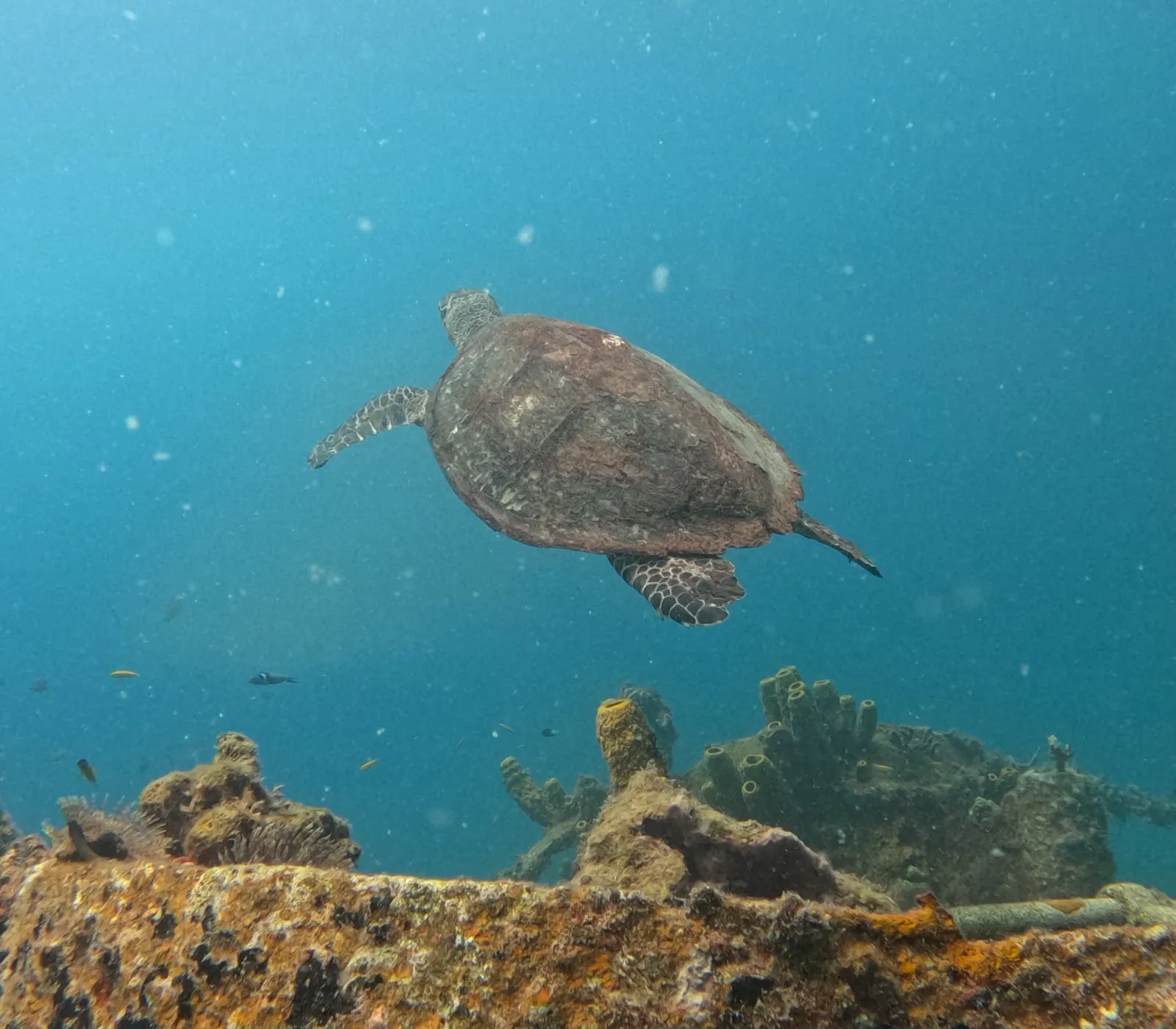
Green turtles and hawksbill turtles are among the species associated with Barbados and the wider Caribbean. Their presence makes underwater observation particularly interesting for visitors who appreciate marine wildlife. However, turtles move through their natural habitats, and the likelihood of an encounter varies with location and conditions. Responsible operators cannot guarantee sightings, so it is best to approach a trip as an opportunity to explore the marine environment rather than an assured wildlife encounter.
Where Can You See Turtles While Diving in Barbados?
Barbados has a variety of underwater environments worth considering when planning a turtle-focused trip. The right location depends on the activity, conditions, and your diving experience.
- Reef environments: Coral reefs support diverse marine life and may provide opportunities to observe turtles moving through their natural habitat. Divers should maintain good buoyancy and avoid touching or damaging coral.
- Carlisle Bay and surrounding waters: Carlisle Bay is known for its wreck-diving sites and marine environments. Although it offers underwater exploration opportunities, turtle sightings at specific wrecks should not be assumed or guaranteed.
- Guided boat dives: Boat-based trips can provide access to selected offshore reefs and wrecks, depending on the itinerary and sea conditions. Ask about the planned locations, expected depth, and suitability for your certification level before booking.
Choose Between Scuba Diving and Snorkeling With TurtlesChoose Between Scuba Diving and Snorkeling With Turtles
The right way to observe turtles depends on your experience, comfort in the water, and preferred style of exploration. Both scuba diving and snorkeling can offer worthwhile marine encounters.
Scuba Diving for Certified Divers
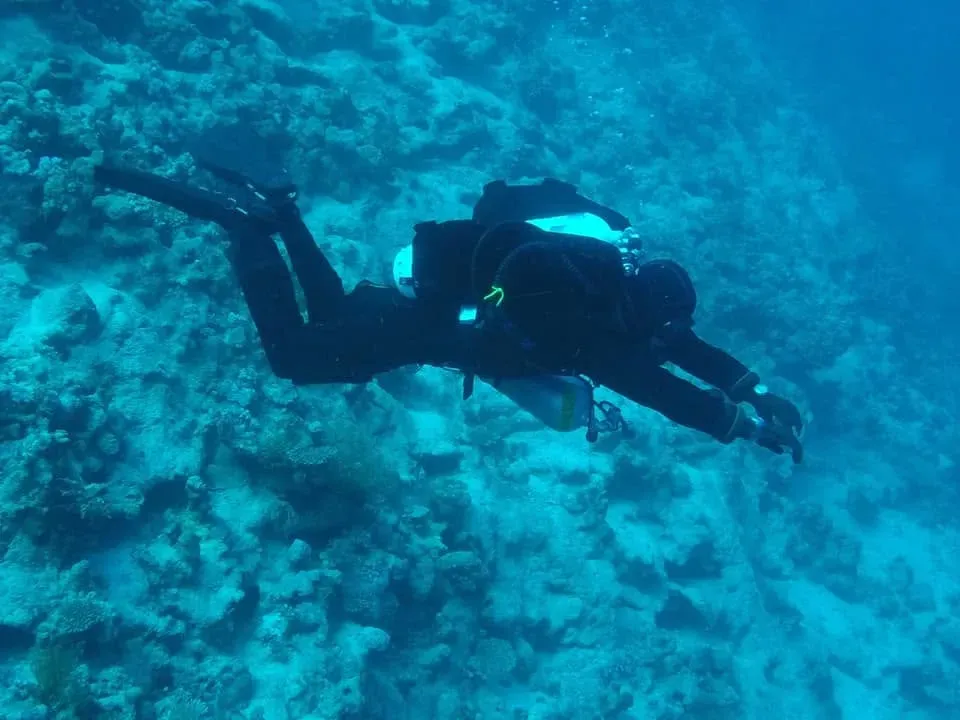
Certified divers can explore suitable underwater sites with a guide, observing marine habitats from below the surface. Good buoyancy control, awareness of depth limits, and respect for wildlife are essential. The selected dive should match your certification and recent experience, particularly when currents or other conditions require additional skill.
Introductory Scuba Diving for Beginners
First-time divers may be able to participate in an introductory experience that includes basic instruction and professional supervision. These sessions introduce underwater breathing and essential equipment skills without providing full scuba certification. Participants must meet the applicable health, age, and other requirements before taking part.
Snorkeling With Sea Turtles
Snorkeling allows visitors to observe marine life while remaining near the surface, using a mask, snorkel, and fins. Barbados snorkeling may suit people who prefer a less equipment-intensive activity or are not ready for scuba. Swimming ability, sea conditions, and operator guidance still matter when choosing a suitable location.
How to Observe Sea Turtles Responsibly
Sea turtles are wild animals, and their well-being should come before getting a closer look or capturing a photograph. Following responsible observation practices helps reduce disturbance to turtles and their habitats.
- Keep your distance: Observe turtles without approaching too closely, blocking their path, or following them when they move away.
- Never touch or chase: Allow turtles to swim freely. Do not grab, pursue, surround, or attempt to ride them.
- Do not feed wildlife: Avoid offering food or encouraging turtles to approach people, as this can interfere with their natural behavior.
- Protect the habitat: Maintain buoyancy, avoid contact with coral, and secure loose equipment. Follow your guide's instructions to reduce the risk of disturbing marine life.
What Divers Should Prepare Before Their Trip
Preparing for a turtle-diving trip involves checking your experience requirements, health considerations, and equipment arrangements before arriving at the departure point. A little planning can help you focus on the activity rather than last-minute details.
- Certification and experience: Confirm whether your chosen dive requires scuba certification or accommodates eligible beginners. Certified divers should have their certification details available and share their recent diving experience.
- Health and readiness: Complete the required medical screening honestly and seek medical clearance when indicated. Inform the operator about relevant health concerns before participating.
- Equipment and clothing: Check whether the necessary scuba or snorkeling equipment is provided. Pack suitable swimwear, a towel, sun protection, and any personal items recommended for the activity.
- Weather and scheduling: Confirm departure times and meeting arrangements before your trip. Sea conditions can affect visibility, dive locations, and schedules, so remain flexible if changes become necessary.
Safety Considerations for Turtle Diving in Barbados
Safe diving requires preparation, awareness, and respect for the conditions around you. Before entering the water, understand the planned activity and follow the guidance provided during the briefing.
- Dive within your limits: Choose sites suited to your certification and experience. Do not exceed your training limits to get closer to a turtle.
- Check conditions: Ask about depth, currents, visibility, and the suitability of the planned site. Conditions may change, requiring adjustments to the itinerary.
- Follow the briefing: Understand the communication signals, emergency procedures, and instructions provided by your guide before entering the water.
- Avoid unsafe interactions: Maintain buoyancy and a safe position while observing turtles. Never compromise your control or safety to approach wildlife or take photographs.
Turtle Diving Trips With Aquapros BarbadosTurtle Diving Trips With Aquapros Barbados
At Aquapros Barbados, we offer diving experiences along Barbados' West Coast for visitors interested in exploring local reefs and historic wrecks. Our guided boat trips provide opportunities to experience the island's underwater environments, where marine life may include sea turtles depending on the location and conditions.
We offer introductory scuba experiences for eligible beginners and guided recreational dives for certified divers. Our team can help clarify the experience requirements, equipment arrangements, and practical details associated with the selected activity so visitors can prepare appropriately before heading out to sea.
We encourage guests to consider their experience level, preferred underwater environments, and comfort in the water when choosing a trip. Although turtle encounters cannot be guaranteed, responsible observation remains important whenever marine wildlife is encountered. Understanding the planned dive and following the guide's instructions helps protect both participants and the surrounding marine environment.
Conclusion
A rewarding turtle-diving trip starts with choosing an activity that suits your abilities and understanding how to observe wildlife without disturbing it. Checking site conditions, equipment arrangements, and safety requirements before departure helps you prepare for the experience. Remember that turtles move freely through their natural habitats, so sightings are never guaranteed. Respecting marine life makes every underwater encounter more responsible. Contact Aquapros Barbados to discuss suitable diving experiences for your trip and plan your time exploring Barbados' underwater environments.
Frequently Asked Questions
1. Can You See Sea Turtles While Scuba Diving in Barbados?
Yes, sea turtles can be encountered in Barbados' coastal waters. However, sightings depend on the dive location, conditions, and natural turtle behavior and cannot be guaranteed.
2. What Types of Sea Turtles Are Found Around Barbados?
Green turtles and hawksbill turtles are associated with Barbados' marine environment. The species encountered during a dive depend on their natural distribution and movements.
3. Is Scuba Diving or Snorkeling Better for Seeing Turtles?
Both activities can offer opportunities to observe turtles. Snorkeling allows surface-level observation, while scuba diving provides access to suitable underwater habitats at greater depths.
4. Do Beginners Need Certification to Dive With Turtles?
Beginners do not necessarily need full certification for an introductory scuba experience, provided they meet the operator's requirements and remain under appropriate professional supervision.
5. When Is the Best Time to See Turtles in Barbados?
Turtle encounters depend on location, natural behavior, and sea conditions. Ask a local operator about current conditions, but remember that no specific time guarantees a sighting.
6. Can You Touch or Feed Sea Turtles While Diving?
No. Avoid touching, chasing, feeding, or surrounding turtles. Observe them from a respectful distance and allow them to move freely through their natural environment.
7. What Should You Bring for a Turtle-Diving Trip?
Bring swimwear, a towel, sun protection, and any required certification details. Confirm whether scuba or snorkeling equipment is supplied before departure.
8. Are Turtle-Diving Trips Suitable for Children?
Suitability depends on the child's age, swimming ability, health, and the activity's requirements. Confirm minimum age limits and supervision arrangements with the operator before booking.
9. How Can You Photograph Sea Turtles Without Disturbing Them?
Maintain a respectful distance, avoid chasing turtles, and never block their path. Keep your buoyancy controlled and prioritize safe diving over capturing photographs.
10. How Do You Choose a Turtle-Diving Trip in Barbados?
Check experience requirements, safety arrangements, planned dive sites, equipment inclusions, and the operator's approach to responsible wildlife observation before booking.