
Technical & Rebreather Diving: Beginner Guide

Created: November 13, 2026
Technical diving involves specialized scuba dives that may require planned decompression, additional breathing-gas mixtures, or advanced equipment. Rebreather diving uses a system that processes exhaled gas for reuse instead of releasing every breath directly into the water. Both methods require specific training, careful preparation, and a clear understanding of equipment limits.
For experienced divers visiting Barbados, these techniques may be relevant when planning specialized wreck dives or extended-range activities. However, they are not intended as a first step for someone new to scuba diving. Understanding the equipment, training requirements, and associated risks helps divers decide which qualifications and support they need before considering these activities.
What Is Technical Diving and How Does It Differ from Recreational Diving?
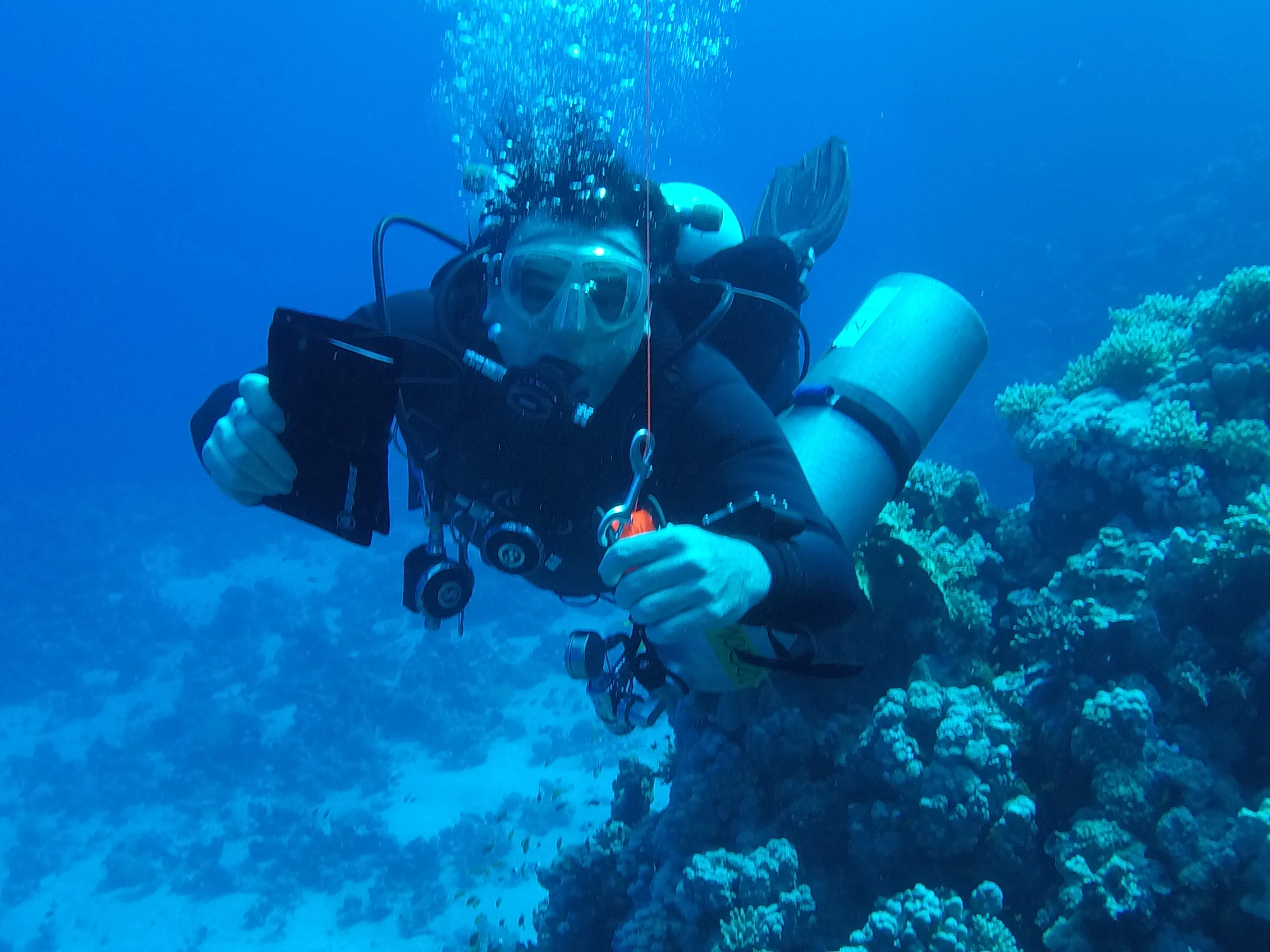
Technical diving covers specialized scuba activities that go beyond the usual limits of recreational diving. Depending on the planned dive, it may involve decompression stops, greater depths, extended underwater time, multiple gas mixtures, and additional equipment. Divers must understand gas management, decompression planning, equipment configuration, and emergency procedures before attempting these dives. The requirements depend on the dive objective and the diver's qualifications.
How Does Technical Diving Differ from Recreational Diving?
Recreational diving generally takes place within established no-decompression limits and the diver's certification level. Technical diving involves additional planning and procedures for dives that may exceed those limits.
- Dive planning: Technical dives may require planned decompression, gas-switching procedures, and additional contingency planning.
- Equipment configuration: Divers may use multiple cylinders, backup breathing gas, and specialized instruments.
- Training requirements: Technical divers need appropriate specialty training and experience for the intended depth, gas mixture, and decompression requirements.
- Emergency procedures: Divers must prepare for equipment failures and other problems specific to the planned dive.
What Is Rebreather Diving and How Does a Rebreather Work?
A closed-circuit rebreather processes exhaled gas so that part of it can be used again. The system removes carbon dioxide, adds oxygen as needed, and monitors the breathing mixture. Unlike conventional open-circuit scuba equipment, which releases exhaled gas into the water, a rebreather recirculates gas through a breathing loop. Its operation depends on correct assembly, monitoring, and maintenance.
1. The Breathing Loop
The breathing loop carries gas between the diver and the rebreather's internal components. Its condition and operation must be checked before entering the water.
- Gas circulation: The diver breathes through a loop that carries exhaled gas through the system for processing and reuse.
- Pre-dive checks: Divers inspect connections, hoses, valves, and other components according to the unit's checklist.
- System monitoring: Divers must recognize changes in the unit's operation and follow the procedures taught during training.
2. The Carbon Dioxide Scrubber
The scrubber removes carbon dioxide from exhaled gas before it returns to the breathing loop. Its correct preparation is essential because carbon dioxide breakthrough can become a serious underwater emergency.
- Absorbent material: A suitable chemical absorbent captures carbon dioxide from the breathing gas.
- Correct assembly: The scrubber must be prepared and assembled according to the manufacturer's instructions.
- Service limits: Divers must observe the specified duration and replacement requirements rather than reuse absorbent beyond its permitted limits.
3. Oxygen Monitoring and Control
A rebreather must maintain an appropriate oxygen level in the breathing loop. Divers need to understand how the system measures oxygen and what to do if readings fall outside the planned limits.
- Oxygen sensors: Sensors measure the partial pressure of oxygen in the breathing loop.
- Oxygen addition: The unit adds oxygen as required to maintain the planned breathing mixture.
- Alarms and backup procedures: Divers must understand sensor readings, warning signals, and the unit-specific procedures for responding to problems.
Technical Diving vs. Rebreather Diving: What Is the Difference?
Although these terms are often discussed together, they describe different aspects of scuba diving. Technical diving refers to the type of dive and its requirements, while rebreather diving describes the breathing technology used. A technical dive can use conventional open-circuit equipment, and rebreathers can be used for different types of dives within the diver's training and unit limits.
Technical Diving
Technical diving involves specialized planning and equipment for dives that may require decompression, multiple gas mixtures, or extended-range procedures. Divers need qualifications appropriate to their intended activity.
- The dive plan determines gas requirements, equipment configuration, and decompression procedures.
- Training covers gas management, contingency planning, and responses to equipment problems.
Rebreather Diving
Rebreather diving uses a breathing system that recirculates gas after removing carbon dioxide and maintaining the required oxygen level. Divers must receive training specific to the rebreather model they use.
- Unit-specific instruction covers setup, monitoring, maintenance, and emergency procedures.
- Rebreather use does not automatically qualify a diver for deeper or decompression dives.
Who Should Consider Technical or Rebreather Diving?
These diving methods are intended for people who already have a sound recreational diving foundation and are prepared to undertake additional training. The appropriate pathway depends on existing qualifications, logged experience, practical skills, and the intended dive.
- Certified recreational divers: Divers with suitable foundational qualifications and experience can investigate the prerequisites for technical training.
- Wreck-diving enthusiasts: Those interested in deeper or more complex wreck profiles should confirm the relevant depth, decompression, and experience requirements.
- Divers interested in rebreathers: They must be prepared to learn unit-specific procedures, equipment checks, oxygen monitoring, and emergency responses.
- Divers planning extended-range dives: Those considering planned decompression or specialized gas mixtures need training that matches the intended dive.
- Visiting technical divers: Divers traveling to Barbados should confirm local gas supplies, equipment support, charter arrangements, and site suitability before making plans.
What Training and Qualifications Are Required?
Technical and rebreather diving require additional training beyond entry-level scuba certification. The exact prerequisites depend on the certification agency, equipment, and type of dive planned. Divers should build their skills gradually and confirm the requirements for their intended qualification.
1. Build a Recreational Diving Foundation
Divers need a recognized entry-level scuba qualification and practical experience before progressing to advanced activities. Consistent buoyancy control, trim, gas monitoring, and buddy procedures provide the foundation for more demanding dives. An Open Water Diver certification alone does not qualify someone for technical or rebreather diving.
2. Complete the Relevant Technical Training
Specialty courses may cover decompression procedures, advanced nitrox, extended-range diving, or trimix, depending on the intended activity. Training develops skills in gas planning, equipment configuration, decompression management, and emergency procedures. The required sequence and experience levels vary by agency and qualification.
3. Complete Rebreather-Specific Training
Rebreather training covers the operation and maintenance of a particular unit, including pre-dive checks, oxygen monitoring, scrubber preparation, and bailout procedures. Divers also learn how to respond to system alarms and failures. Certification on one rebreather model does not automatically qualify a diver to use another.
What Equipment Is Used in Technical and Rebreather Diving?
The equipment used for these dives depends on the depth, breathing gas, decompression requirements, and type of breathing system. Divers must use a configuration appropriate to the planned dive and their training.
- Technical cylinders: Twin cylinders, stage bottles, or decompression cylinders may be required, depending on the gas plan.
- Rebreather unit: A closed-circuit system contains a breathing loop, carbon dioxide scrubber, oxygen sensors, gas supplies, and control components.
- Backup breathing gas: Technical divers need an appropriate bailout arrangement based on their training, equipment, and dive plan.
- Dive computers and instruments: Suitable devices help monitor depth, time, gas information, and decompression obligations.
- Exposure and thermal protection: Wetsuits, drysuits, and other protective equipment depend on the environment and planned dive.
- Equipment inspection: Cylinders, regulators, sensors, and rebreather components require the prescribed checks and servicing.
What Are the Main Risks and Safety Considerations?
Technical dives can involve greater gas-management demands, decompression obligations, and more complex emergency procedures than standard recreational dives. Divers must plan their gas reserves, follow the depth and decompression limits of their training, and understand the procedures for switching gases when applicable. The equipment configuration and training must match the planned dive.
Rebreather diving introduces additional risks, including incorrect oxygen levels, carbon dioxide breakthrough, sensor faults, and equipment failures. These problems can become serious underwater emergencies if not recognized and managed correctly. Divers must complete the required pre-dive checks, monitor the breathing loop, follow unit-specific procedures, and carry an appropriate bailout system. Specialized equipment and training help divers manage these risks, but neither eliminates them.
Technical and Rebreather Diving in Barbados
Barbados offers reef environments, wreck sites, and offshore locations that attract divers with different levels of experience. Some deeper or more complex dives may require specialized planning, additional qualifications, and suitable boat arrangements. Site selection must account for depth, conditions, and the diver's training rather than relying on location alone.
Visiting technical divers should confirm the availability of breathing gases, cylinder configurations, equipment support, and charter arrangements before traveling. Those planning technical diving or rebreather diving should also verify that the intended site and gas mixture suit their qualifications and dive plan. Not every site is appropriate for every diver or equipment configuration, and local support should be confirmed before finalizing the itinerary.
How Aquapros Barbados Supports Technical and Rebreather DiversHow Aquapros Barbados Supports Technical and Rebreather Divers
At Aquapros Barbados, we provide technical diving support and gas services for experienced divers planning specialized dives. Our published services include enriched air nitrox, custom trimix, breathing-air fills, and technical diving logistics. We also list cylinder options such as twin sets, stage bottles, decompression cylinders, and sidemount cylinders. These services support divers who need to plan their gas supply and equipment configuration around an appropriate dive profile.
We also list rebreather supplies, including carbon dioxide absorbent, oxygen fills, suitable diluent options, and dedicated small cylinders. Our pre-dive work area supports unit assembly, testing, and pressure checks. Course Director Malek Nahas brings more than 35 years of diving industry experience and over 7,000 logged dives. Before traveling, contact our team to confirm gas availability, equipment specifications, and charter arrangements for your planned dives. Our logistical support should not be confused with rebreather certification training, which must be completed through an appropriate training program.
Conclusion
Technical diving and rebreather diving involve different methods, but both require specialized training, careful planning, and a clear understanding of equipment limits. Before choosing either pathway, assess your current qualifications, practical experience, and intended dive objectives. Visiting divers should also confirm gas availability, equipment support, and site requirements before arriving in Barbados. If you are preparing for a specialized dive, explore the technical diving support and gas services available through Aquapros Barbados to help plan the practical arrangements for your trip.
Frequently Asked Questions
1. What is technical diving?
Technical diving involves specialized dives that may include planned decompression, extended range, multiple gas mixtures, or equipment beyond standard recreational configurations. It requires appropriate training and experience.
2. What is rebreather diving?
Rebreather diving uses a system that recirculates breathing gas, removes carbon dioxide, and maintains oxygen levels within defined limits. Divers need specific training to operate the equipment correctly.
3. Is technical diving suitable for beginners?
No. Technical diving requires foundational scuba training, practical experience, and additional qualifications. Beginners should first develop core diving skills before considering advanced courses.
4. Do you need certification for rebreather diving?
Yes. Divers need appropriate training and certification for their rebreather unit and intended activity. Requirements depend on the training agency, equipment model, and dive objectives.
5. What is the difference between open-circuit and rebreather diving?
Open-circuit scuba releases exhaled gas into the water. A rebreather processes exhaled gas, removes carbon dioxide, and recirculates the remaining breathing gas through a loop.
6. What equipment is needed for technical diving?
Equipment varies by dive but may include multiple cylinders, regulators, backup breathing gas, suitable dive computers, and specialized exposure protection. The configuration must match the dive plan.
7. What are the main risks of rebreather diving?
Risks include incorrect oxygen levels, carbon dioxide breakthrough, sensor problems, and equipment failures. Divers need unit-specific training, careful monitoring, and appropriate emergency procedures.
8. Can rebreathers be used for wreck diving in Barbados?
They may be suitable for certain wreck dives, depending on depth, conditions, qualifications, equipment, and operator approval. Divers should confirm site suitability before booking.
9. Does Aquapros Barbados support technical and rebreather divers?
The company lists technical gas services, specialized cylinder options, rebreather supplies, and equipment support. Visiting divers should confirm current availability and arrangements before traveling.
10. How should visiting technical divers prepare for diving in Barbados?
Confirm your qualifications, gas mixtures, cylinder availability, equipment requirements, site suitability, and boat arrangements with the operator before travel. Allow time for planning and equipment checks.