
Technical Diving in Barbados: Equipment, Training & Safety Considerations

Created: November 13, 2026
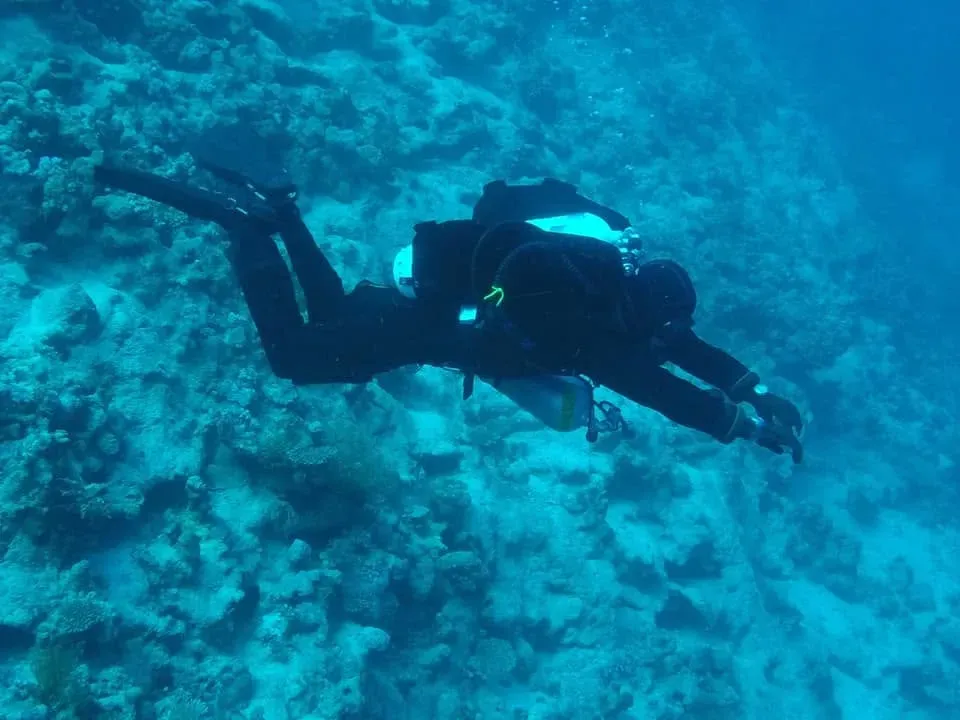
Technical diving involves specialized equipment, additional training, and more detailed planning than standard recreational diving. For divers interested in scuba diving Barbados, understanding these differences is important before considering deeper dives, planned decompression, or more demanding underwater environments. Technical diving may involve specialized gas mixtures, redundant equipment, and procedures designed for specific risks. It is not simply a matter of diving deeper or staying underwater longer. Divers need suitable qualifications, current skills, and a clear understanding of the planned activity. Assessing equipment requirements, training prerequisites, and local site conditions helps divers make informed decisions about whether a technical dive is appropriate.
What Makes Technical Diving Different From Recreational Diving?
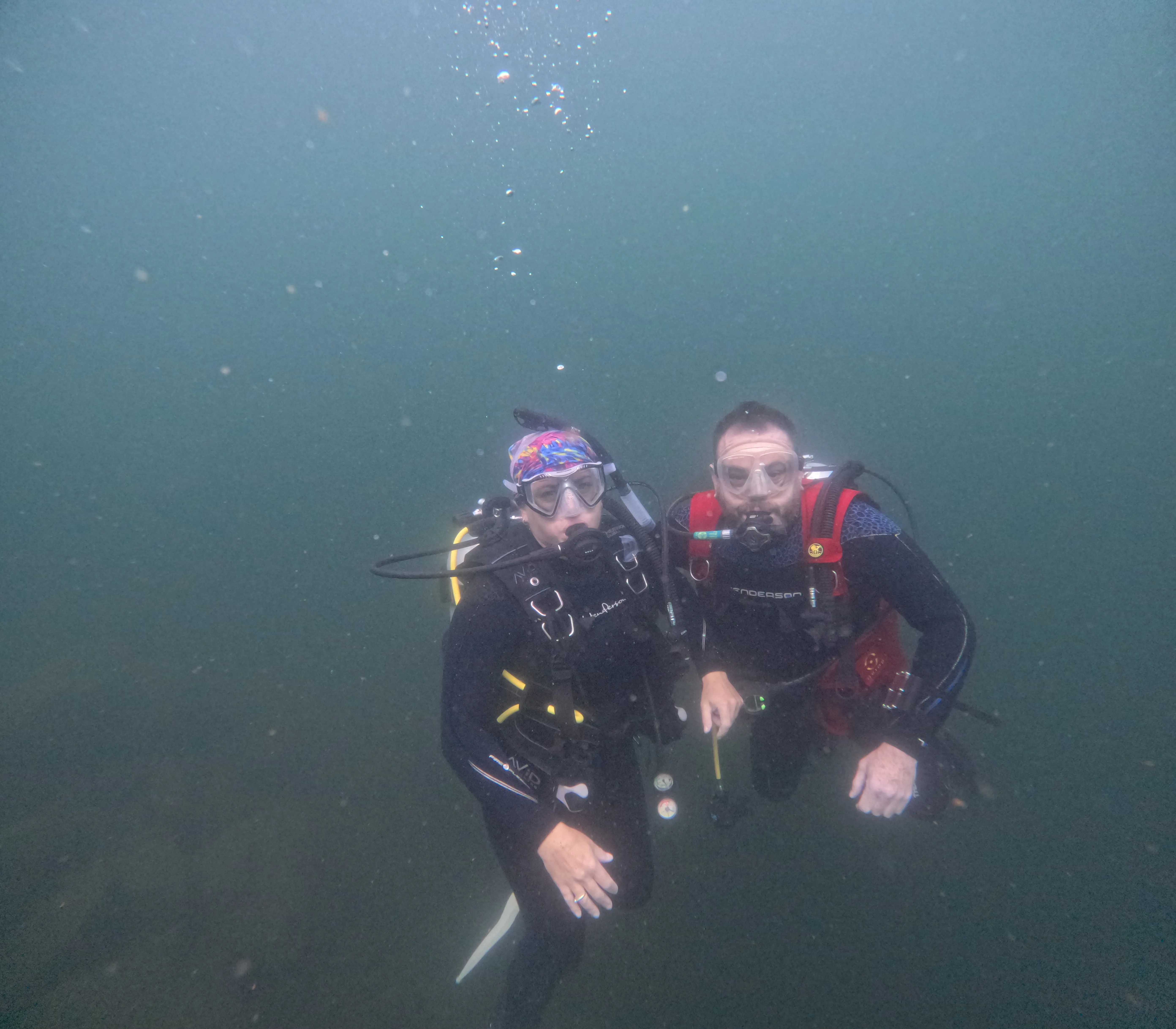
Recreational diving generally takes place within established depth and no-decompression limits, while technical diving may involve planned decompression, specialized gas mixtures, or environments that require additional training and equipment. The exact requirements depend on the type of dive, its depth, duration, and surrounding conditions. Technical divers must plan their gas supply, ascent procedures, and emergency responses carefully before entering the water.
Technical diving also demands a higher level of preparation and task management. A diver may need redundant breathing systems, additional instruments, and a more detailed team plan. Wreck penetration and cave diving introduce overhead environments that prevent a direct ascent to the surface, requiring specific training and equipment. Although diving in Barbados offers opportunities to explore reefs and wrecks, not every site is appropriate for technical diving. Suitability depends on the site's characteristics, the diver's qualifications, and available support.
Essential Equipment for Technical Diving
Technical diving equipment is selected according to the dive plan, environment, gas requirements, and training. Each component must be appropriate for the intended use and maintained according to relevant guidance.
- Technical Regulators and Redundancy: Technical configurations may include multiple regulators and independent breathing options. These systems allow divers to manage gas supplies according to their training and planned procedures. Divers must understand how each component works and how to respond if a problem occurs.
- Twin Cylinders or Sidemount Systems: Some technical divers use twin-cylinder or sidemount configurations to carry breathing gas and provide redundancy. The choice depends on the dive objective, equipment setup, and diver training. Each configuration requires practice to manage cylinder position, gas switching where applicable, and equipment access.
- Exposure Protection and Buoyancy Systems: Appropriate exposure protection helps divers manage the environmental conditions, while suitable buoyancy systems support control and equipment management. Harnesses, BCDs, and related components should be selected for the specific configuration and checked before every dive.
- Dive Computers, Gauges, and Accessories: Technical divers may require suitable dive computers, pressure gauges, backup instruments, reels, lights, and other equipment based on the planned activity. Every item should serve a defined purpose, and divers must know how to use it correctly.
Gas Planning and Specialized Breathing Mixtures
Gas selection is an important part of technical diving because different mixtures serve different purposes and have specific limitations. Divers must understand the gases they carry and plan their use according to their training.
Nitrox and Enriched Air
Enriched-air nitrox contains a higher proportion of oxygen than ordinary breathing air. It can offer advantages on certain dives, but the oxygen percentage affects the maximum operating depth and permissible exposure. Divers must receive appropriate training, verify the mixture, and follow the limits established for the planned dive. Nitrox is not automatically suitable for deeper diving.
Helium-Based Gas Mixtures
Some technical dives use helium-containing mixtures, such as trimix, to manage the effects of breathing gas at depth. Gas selection depends on the dive profile, depth, training, and applicable procedures. These mixtures require specialized knowledge and careful planning, and they should only be used by divers qualified for the relevant configuration and dive.
Gas Analysis and Cylinder Management
Divers must verify cylinder contents using appropriate gas-analysis procedures and ensure cylinders are correctly labelled. The planned mixture, cylinder identification, and intended use should agree before the dive begins. Proper gas management also includes tracking available supply and following the planned procedures for each breathing mixture. Never assume that a cylinder contains the expected gas simply because of its label.
What Training and Certification Do Technical Divers Need?
Technical diving requires a suitable foundation in recreational diving skills before divers progress to more specialized training. The necessary prerequisites depend on the course, training agency, and intended type of technical diving.
Build a Strong Recreational Diving Foundation
Divers should first develop reliable buoyancy control, air management, navigation, equipment familiarity, and consistent buddy procedures. These skills help manage workload underwater and provide a foundation for learning more complex configurations. A recreational qualification alone does not authorize a diver to undertake technical dives.
Progress Through Appropriate Technical Courses
Technical courses may cover specialized equipment configurations, gas planning, decompression procedures, and responses to equipment problems. Requirements vary by training agency and course level, so divers should verify prerequisites before enrolling. Additional qualifications may be necessary for particular gas mixtures or overhead environments.
Practice Before Increasing Complexity
Training must include practical skill development, not just theoretical knowledge. Divers need to demonstrate control of their equipment, follow planned procedures, and respond appropriately to simulated problems within their training. Progressing gradually and gaining suitable experience helps prevent divers from attempting dives that exceed their current abilities.
Technical Diving Safety and Risk Management
Technical diving requires a clear plan for managing gas supplies, equipment problems, decompression obligations, and changing conditions. Divers must understand the risks associated with their specific dive rather than relying on general scuba experience alone.
- Plan the Dive and Gas Supply: Establish the dive profile, gas requirements, reserves, and limits according to your training and the planned conditions. Every team member should understand the plan and their responsibilities.
- Prepare for Decompression: For dives requiring decompression, follow the procedures taught during your technical training. Appropriate planning, equipment, and contingency procedures are essential because surfacing directly may not be safe.
- Maintain Equipment and Redundancy: Inspect all equipment, verify backup systems, and practice responding to potential failures. Redundant equipment is useful only when divers understand how to use it correctly.
- Assess Conditions and Team Readiness: Consider currents, visibility, site access, depth, and the experience of everyone involved. Postpone or modify a dive if the conditions or team readiness do not support the plan.
Choosing Technical Dive Sites in Barbados
Selecting a technical dive site requires more than finding an interesting reef or wreck. Divers need to evaluate depth, bottom time, currents, visibility, ascent options, and the conditions that could affect the planned profile. The site's characteristics must match the team's qualifications and the equipment and support available for that particular dive.
Wrecks can be appealing to technical divers, but exploring a wreck from the outside is different from entering an overhead environment. Penetration requires specific training, suitable equipment, and carefully planned procedures. Divers should obtain reliable local information about the site and confirm that the intended activity is appropriate for their qualifications. For technical diving in Barbados, do not assume that a familiar recreational site is automatically suitable for a technical profile. Site suitability should be assessed for each planned dive.
Questions to Ask Before Arranging a Technical Dive
Before committing to a technical dive, confirm that the proposed activity matches your qualifications, equipment, and experience. Discuss the following details with the relevant operator or technical-diving provider.
- Site Suitability: Ask about the intended location, depth, conditions, and any overhead or decompression considerations relevant to the dive.
- Training Requirements: Confirm the qualifications, recent experience, and specialist training required for the planned activity.
- Equipment and Gas Support: Verify whether the required cylinders, breathing mixtures, technical equipment, and qualified support are available. Do not assume these services are included in a standard recreational trip.
- Emergency and Surface Support: Clarify communication procedures, emergency arrangements, and the support available during the dive. Make sure the plan accounts for the specific risks involved.
Discussing Diving Options With Aquapros BarbadosDiscussing Diving Options With Aquapros Barbados
Technical diving calls for careful consideration of the site, equipment, training, and support required. At Aquapros Barbados, we offer diving experiences along Barbados' West Coast, including guided recreational boat dives and opportunities to explore selected reefs and historic wrecks. These experiences should not automatically be considered technical dives.
Our available activities include options for certified recreational divers and introductory experiences for eligible beginners. Each has its own requirements, and the appropriate choice depends on your qualifications, experience, and the conditions at the planned location. Technical diving involves additional considerations that go beyond the requirements of a standard recreational trip.
If you are planning a visit with a particular diving objective in mind, we encourage you to discuss your experience level, preferred activities, and equipment requirements with our team. We can clarify the recreational experiences available and the practical arrangements associated with them. Any specialized technical-diving support, gas mixtures, or technical courses should be confirmed separately rather than assumed to be available.
Conclusion
Technical diving requires more than advanced equipment. Divers need appropriate training, carefully planned gas supplies, reliable backup systems, and a realistic assessment of site conditions. Progressing gradually helps ensure that skills and experience keep pace with increasing complexity. Before planning a technical dive in Barbados, confirm that the location, equipment, and available support match your qualifications and intended activity. Share your diving objectives and experience level with our team to discuss the diving opportunities and practical arrangements available for your Barbados visit.
Frequently Asked Questions
1. What Is Technical Diving?
Technical diving involves specialized training, equipment, or procedures for dives that may exceed recreational limits, require decompression, or involve overhead environments.
2. How Is Technical Diving Different From Recreational Scuba Diving?
Technical diving may involve greater planning complexity, specialized gas mixtures, redundant equipment, and planned decompression. Requirements depend on the type and conditions of the dive.
3. What Equipment Do Technical Divers Need?
Equipment varies by dive objective but may include redundant regulators, multiple cylinders, specialized buoyancy systems, backup instruments, and accessories suited to the planned environment.
4. What Is the Difference Between Nitrox and Trimix?
Nitrox contains an increased proportion of oxygen compared with ordinary air. Trimix contains oxygen, nitrogen, and helium and is used for certain specialized dives.
5. What Certification Is Required for Technical Diving?
Requirements depend on the dive type and training agency. Divers generally need an appropriate recreational foundation and additional qualifications for the intended technical activity.
6. Can Recreational Divers Participate in Technical Dives?
Not without the appropriate training and qualifications for the planned activity. Recreational certification alone does not authorize decompression diving or overhead-environment penetration.
7. Why Is Gas Planning Important in Technical Diving?
Gas planning helps divers determine breathing-gas requirements, reserves, and limits for the dive. It also supports contingency planning for equipment problems and changing conditions.
8. Are All Wrecks in Barbados Suitable for Technical Diving?
No. Suitability depends on depth, structure, conditions, access, and available support. Wreck penetration requires specialized training, equipment, and planning.
9. What Safety Procedures Are Essential for Technical Divers?
Technical divers need detailed dive planning, appropriate gas management, equipment checks, contingency procedures, and training suited to the dive's depth and environment.
10. How Can Divers Confirm Technical-Diving Support in Barbados?
Ask providers specifically about technical qualifications, planned sites, gas availability, equipment, and emergency support. Do not assume recreational dive services include technical support.