
Scuba Diving in Barbados: What First-Time Divers Should Know

Created: November 13, 2026
For visitors considering their first underwater activity, scuba diving in Barbados offers an opportunity to explore marine environments under professional supervision. Participants learn to breathe through a regulator, use diving equipment, and communicate through underwater hand signals. Eligible beginners can try an introductory Discover Scuba experience without completing a full certification course first.
Barbados has coral reefs and wreck sites that attract divers with different experience levels. However, the right location depends on the chosen program, sea conditions, and participant readiness. Understanding the requirements and knowing what happens during a first dive can help beginners prepare for the experience and decide which type of diving activity suits their plans.
What Should First-Time Divers Know Before Scuba Diving in Barbados?
Beginners can try scuba diving without previous experience through an introductory Discover Scuba experience. Under professional supervision, participants learn basic skills and experience breathing underwater without committing to a full certification course. This option can suit people who want to understand what diving feels like before deciding whether to continue with formal training.
A scuba certification course involves more extensive learning. Students study diving theory, practice essential skills in controlled water conditions, and complete supervised open-water dives. An introductory experience does not qualify someone to dive independently or join trips that require certification. Before booking, check the program's age, swimming, and medical requirements. Those interested in scuba diving for beginners should choose an experience that matches their goals, whether they want to try diving once or work toward certification.
Who Can Try Scuba Diving for the First Time?
An introductory diving program can suit eligible people who have never used scuba equipment. However, participants must meet the operator's requirements for age, health, swimming ability, and participation before entering the water.
- Previous experience: Many introductory programs accept people without prior scuba experience. The instructor introduces essential skills before the underwater activity.
- Age requirements: Minimum age limits vary by operator and training agency. Confirm the applicable age requirement for the selected program.
- Swimming ability: Water-comfort and swimming requirements depend on the program. Ask the operator what is required before booking.
- Medical fitness: Participants may need to complete a medical questionnaire. Certain health conditions may require medical clearance before diving.
- Personal comfort: Beginners should tell the instructor if they feel anxious about breathing underwater or using the equipment. They should ask questions before the dive if they are uncertain about any procedure.
- Certification requirements: Introductory experiences may be available without certification, while regular recreational dive trips generally require an appropriate qualification.
What Happens During Your First Scuba Diving Experience?
A first dive generally involves a safety briefing, equipment preparation, practice with basic skills, and a supervised underwater activity. The precise sequence depends on the program, the location, and the conditions on the day.
1. The Safety Briefing
Before entering the water, participants receive instructions on equipment use and essential diving procedures. The instructor explains how to breathe through the regulator, use underwater hand signals, and equalize ear pressure during descent. The briefing also covers entry and exit procedures and how to communicate discomfort or request assistance. Beginners should ask questions if any instruction is unclear and make sure they understand the procedures before proceeding.
2. Equipment Fitting and Practice
Properly fitted equipment helps beginners become comfortable before the dive begins. The instructor introduces the mask, fins, scuba tank, regulator, and buoyancy control device, explaining how each item works. Participants learn how the regulator supplies breathing gas and how the equipment affects movement in the water. Depending on the program, they may practice breathing and basic skills in a swimming pool or calm, shallow water before moving to the planned dive site.
3. Entering the Water
The method of entering the water depends on whether the activity takes place from a boat or shore. Once in the water, participants follow the instructor's guidance while adjusting to the equipment and breathing underwater. The instructor monitors their readiness and keeps the activity within the program's limits. Beginners should remain close to the instructor, move at a comfortable pace, and communicate immediately if they experience discomfort or anxiety.
What Equipment Do First-Time Divers Use?
Before the dive, participants are introduced to the equipment that supports breathing, vision, movement, and buoyancy underwater. The operator should explain how each item works and help with preparation. Equipment inclusions vary, so confirm what is provided when booking.
- Mask: Provides underwater vision and helps keep water away from the eyes and nose.
- Regulator: Delivers breathing gas from the scuba tank at a pressure suitable for underwater breathing.
- Scuba tank: Stores the breathing gas used during the dive.
- Buoyancy control device (BCD): Helps divers adjust buoyancy and maintain a suitable position in the water.
- Fins: Help divers move through the water with controlled leg movements.
- Exposure protection: A wetsuit may be provided or recommended depending on the water conditions and program.
What Can First-Time Divers See Underwater in Barbados?
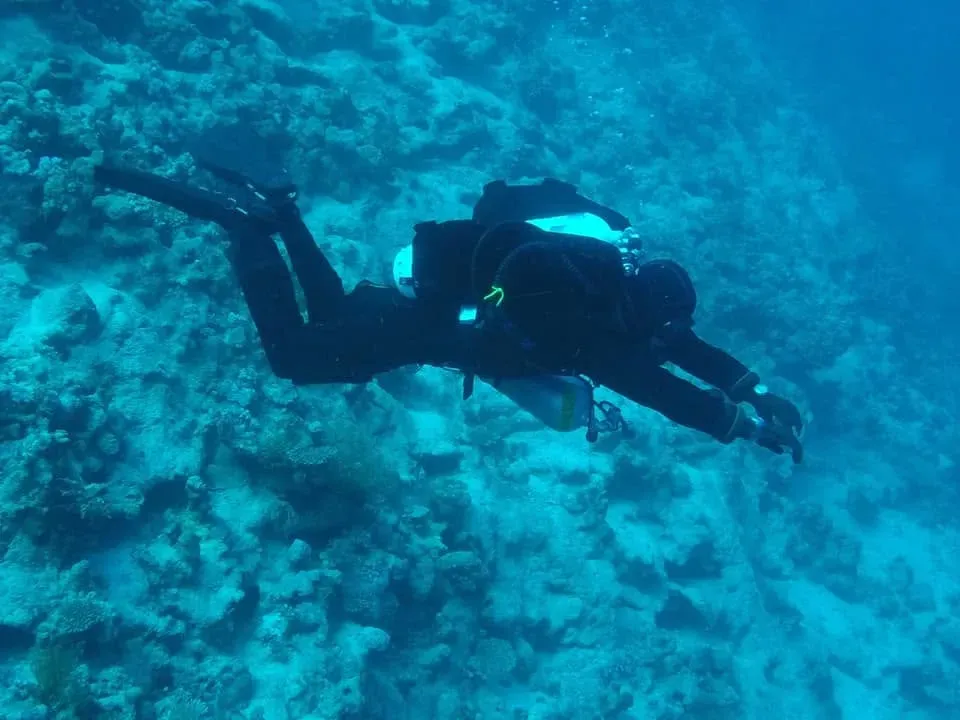
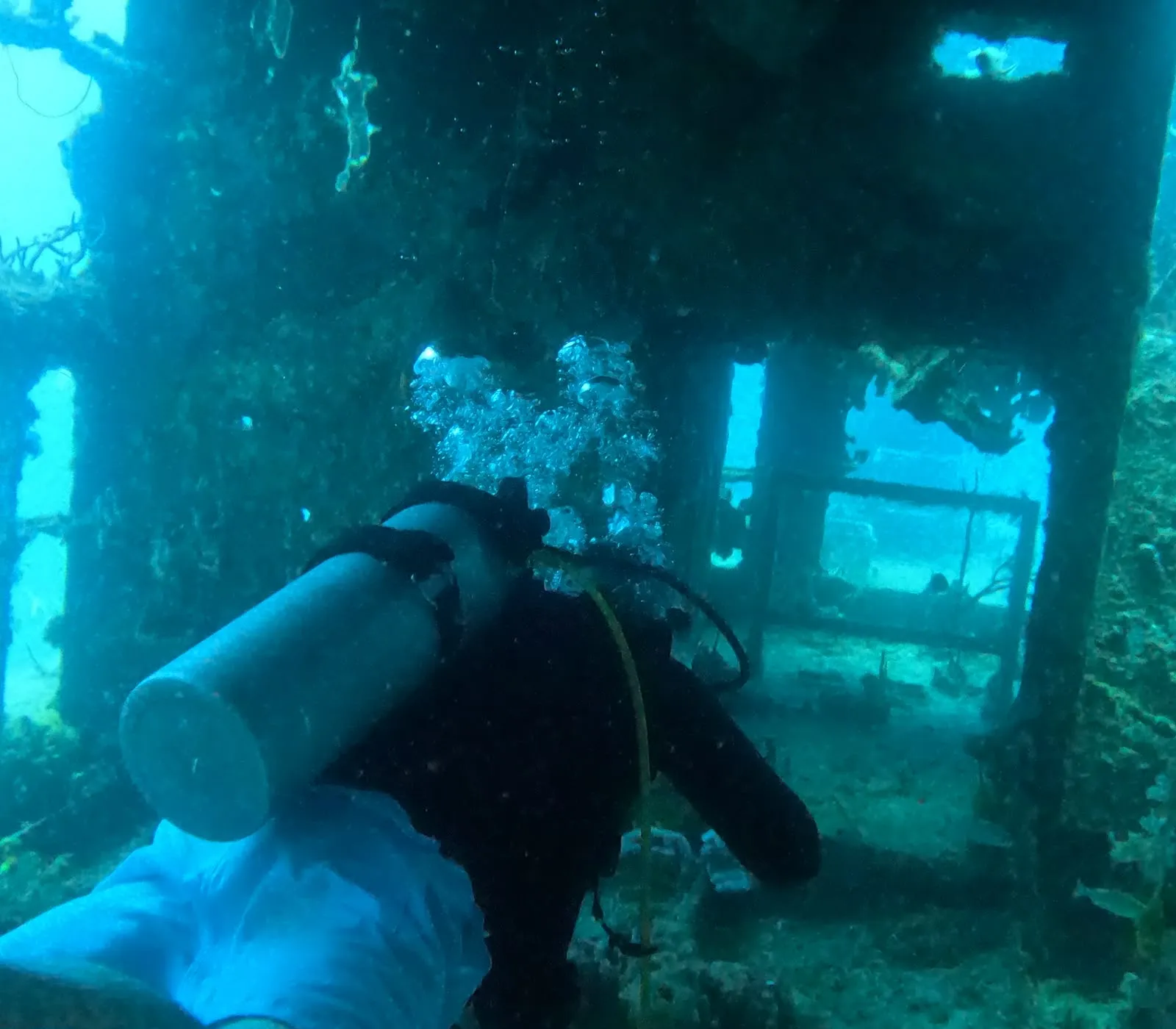
The underwater environment around Barbados includes coral reef habitats and wreck sites that may be suitable for different levels of diving experience. Carlisle Bay is a recognised wreck-diving area, with several wrecks and marine habitats. Depending on the selected site, first-time divers may see tropical fish, coral formations, and other marine life. Sea turtles and rays are also possible sightings, but encounters cannot be guaranteed.
Site selection depends on depth, visibility, currents, underwater structure, and the participant's readiness. Not every wreck is suitable for beginners, so the operator should select a location appropriate for the program and current conditions. During scuba diving in Barbados, first-time divers should follow the instructor's directions, observe marine life without touching it, and focus on remaining comfortable and aware of their surroundings.
What Is Boat Diving Like for a First-Time Diver?
For many visitors, the first dive in Barbados begins with a boat trip to a selected reef or wreck site. The crew explains the arrangements, helps participants prepare, and provides instructions for boarding and entering the water. Travel time depends on the departure point and chosen location, so it is useful to confirm the trip schedule beforehand.
Once the boat reaches the site, participants follow the instructor's guidance and the agreed dive plan. Some outings include one dive, while others offer two dives with a surface interval between them. Site selection and timing depend on sea conditions and the participants' experience. Before booking, beginners should ask about boat access, equipment support, trip duration, and the arrangements for returning to the vessel after the dive.
Essential Safety Tips for First-Time Divers
Learning the basic safety procedures before entering the water helps beginners understand their responsibilities during a guided dive. Scuba diving has specific risks, so participants must follow professional instructions and stay within the limits of their program.
- Breathe continuously: Never hold your breath while scuba diving. Follow the breathing instructions provided during the briefing.
- Equalize pressure: Equalize ear pressure as instructed during descent. Never force equalization if it causes pain.
- Stay with the instructor: Remain within the planned group and follow the agreed dive limits.
- Communicate discomfort: Report anxiety, breathing difficulties, equipment issues, or pain immediately.
- Respect marine life: Observe fish, coral, and other animals without touching or disturbing them.
- Follow health requirements: Complete the required medical screening and disclose relevant health concerns before diving.
- Respect conditions: Understand that currents, visibility, weather, and individual readiness may affect whether a dive proceeds.
How to Prepare for Your First Dive in Barbados
If you are wondering how to prepare for your first dive, little preparation helps you arrive ready for the activity and reduces uncertainty about the booking arrangements. Confirm the practical details with the operator before your scheduled dive.
- Step 1: Confirm your booking: Check the meeting point, departure time, expected duration, and transportation arrangements.
- Step 2: Complete required paperwork: Follow the instructions for medical questionnaires and eligibility checks.
- Step 3: Bring personal items: Pack swimwear, a towel, dry clothes, sunscreen, and drinking water.
- Step 4: Check equipment inclusions: Confirm whether the mask, fins, wetsuit, and other required gear are provided.
- Step 5: Plan your return flight: Follow recognized diving guidance on the required interval between your final dive and flying.
- Step 6: Allow enough time: Avoid arranging other activities too close to the scheduled dive, as departure times and sea conditions can change.
How Aquapros Barbados Helps First-Time Divers Get Started
At Aquapros Barbados, we offer a Discover Scuba program for eligible participants who want to experience scuba diving before committing to a full certification course. Our introductory experience includes a briefing, basic skills practice in calm, shallow water, and a guided ocean dive when appropriate. With a published student-to-instructor ratio of 2:1 for this program, we can focus on helping beginners understand the procedures and equipment involved in their first dive.
Our West Coast boat trips provide access to selected reef and wreck sites, with the actual location depending on conditions and participant suitability. We also help with equipment setup and trip logistics, and complimentary hotel transfers are available for eligible accommodations along the West Coast. Course Director Malek Nahas brings more than 35 years of diving industry experience and over 7,000 logged dives.
Before booking, we encourage beginners to confirm eligibility requirements, equipment inclusions, meeting arrangements, and the expected trip duration. This helps clarify what the experience involves and allows participants to prepare for their chosen program.
Conclusion
Trying scuba diving for the first time involves learning to use the equipment, understanding safety procedures, and becoming comfortable underwater with professional guidance. The right introductory program should match your readiness, explain the requirements clearly, and account for the conditions at the selected site. Before booking, confirm the experience, equipment, and schedule that suit your plans. Book your first diving experience with Aquapros Barbados and prepare for a guided introduction to the underwater environment.
Frequently Asked Questions
1. Can you scuba dive in Barbados without prior experience?
Yes. Eligible beginners can participate in an introductory Discover Scuba experience under professional supervision without first completing a full certification course.
2. Do you need to know how to swim to try scuba diving?
Requirements vary by program. Confirm the swimming ability and water-comfort requirements with the operator before booking.
3. What happens during a first-time scuba diving experience?
The experience generally includes a safety briefing, equipment fitting, basic skills practice, and a supervised underwater dive.
4. How deep do beginners go when scuba diving in Barbados?
Depth depends on the program, training standards, site conditions, and participant readiness. The instructor determines the appropriate limits.
5. What marine life can you see while scuba diving in Barbados?
Depending on the site and conditions, divers may see tropical fish, coral formations, sea turtles, and rays. Wildlife sightings are not guaranteed.
6. Is boat diving suitable for first-time divers?
Some operators offer introductory boat-based experiences for eligible beginners. Standard certified-diver trips may require an appropriate scuba qualification.
7. What equipment is provided for a beginner scuba dive?
Operators may provide a mask, fins, scuba tank, regulator, buoyancy control device, and other required equipment. Confirm inclusions before booking.
8. How long does a first scuba diving experience last?
Duration varies by program and includes preparation, the briefing, equipment fitting, boat travel where applicable, and time in the water.
9. What is the difference between Discover Scuba and scuba certification?
Discover Scuba provides a supervised introduction to diving, while certification involves structured learning, practical training, and assessments.
10. What should you avoid before and after scuba diving?
Follow the operator's preparation and medical instructions, never hold your breath underwater, and observe recognized post-dive flying guidance.