
Scuba Diving for Beginners in Barbados: What to Expect on Your First Dive

Created: November 13, 2026
The first breath underwater can feel surprisingly unfamiliar. With scuba diving for beginners in Barbados, you are not simply looking beneath the surface as you would while snorkeling; you are breathing through a regulator, adjusting your buoyancy, equalizing your ears, and learning to communicate without speaking. That initial adjustment is part of what makes a first dive different. You do not need years of diving experience to get started, but you do need the right instruction, equipment, and level of supervision. For a first-time diver, choosing an experience suited to your comfort and ability can make the difference between feeling overwhelmed and settling into the underwater environment.
Is Scuba Diving in Barbados Suitable for Beginners?
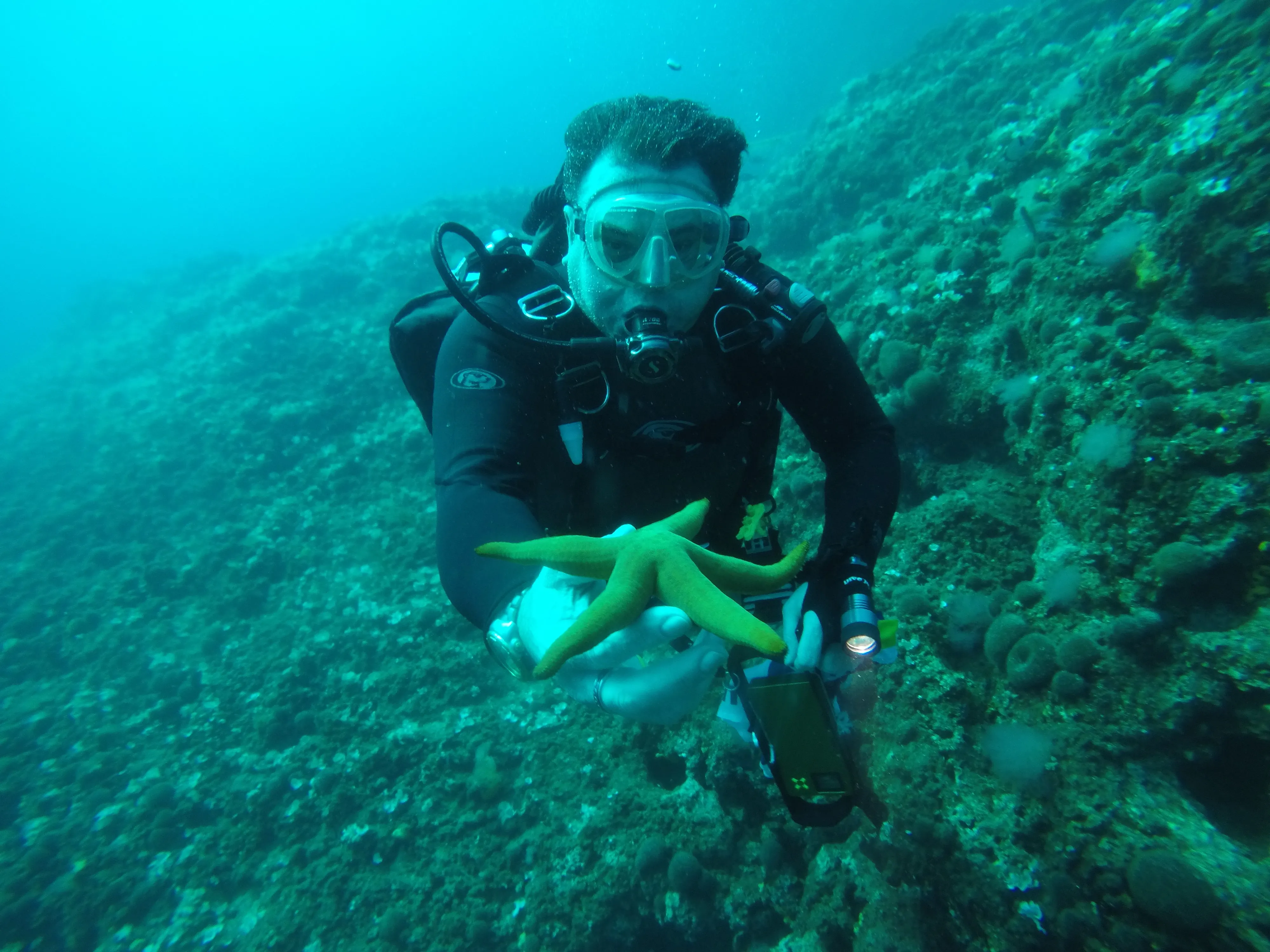
Barbados can be suitable for beginner scuba diving when the experience, dive site, and level of supervision match the diver's ability. First-time divers should receive appropriate instruction and equipment guidance rather than joining a certified-diver trip without training. Compared with snorkeling, scuba requires more attention to breathing, buoyancy, and pressure equalization, making proper preparation important.
What Beginners Need Before Getting in the Water
Before entering the water, beginners should be comfortable enough to follow basic instructions and use essential diving equipment. Important considerations include:
- Basic comfort in the water: You should be reasonably comfortable being in and around water.
- Following instructions: Beginners need to understand and follow directions from the instructor or dive professional.
- Equipment and communication: You should learn the basic purpose of your equipment and common underwater hand signals.
- Medical considerations: Certain health conditions may affect diving suitability, so complete any required medical screening honestly.
Do You Need Scuba Certification for Your First Dive?
No, you do not need a formal scuba diving certification to try scuba diving for the first time in Barbados. A supervised introductory experience can teach basic skills and let you experience breathing underwater before committing to a full course. If you want a recognized qualification, an Open Water Diver course provides the training needed to progress toward independent recreational diving.
- Discover Scuba Diving: Designed for beginners with no experience, including basic instruction, shallow-water skills, and a supervised ocean dive.
- Open Water Diver Certification: Combines online academic learning, shallow-water training, and four open-water training dives, typically completed in three to four days.
- Open Water Referral: Allows divers to complete academic and pool training at home before completing the required open-water dives in Barbados.
- SDI and SSI Training: Beginner certification pathways are available through providers such as AquaPros Barbados.
What Happens During Scuba Diving for Beginners?
A first scuba experience follows a clear sequence, helping beginners understand the equipment, practice essential skills, adjust to breathing underwater, and remain comfortable throughout the dive.
Before Entering the Water
Before getting into the water, beginners receive a basic orientation covering the equipment, safety procedures, and skills needed for their first underwater experience.
- Equipment familiarization: Learn how the regulator, mask, buoyancy equipment, and other essential gear work.
- Safety briefing: Review basic procedures and what to do if something feels uncomfortable.
- Communication: Learn common underwater hand signals used to communicate with the instructor.
- Breathing and equalization: Practice controlled breathing and learn how to equalize pressure as you descend.
Entering the Water
The first few moments in the water allow beginners to adjust gradually rather than immediately focusing on exploring the dive site or marine life.
- Regulator practice: Get comfortable breathing through the regulator while in the water.
- Shallow-water skills: Practice essential skills in shallow water where appropriate.
- Breathing adjustment: Become familiar with the sensation of breathing underwater.
- Equipment check: Make sure the equipment feels comfortable and functions as expected.
During the Dive
Once the dive begins, the instructor guides the experience while beginners concentrate on breathing steadily, controlling their movement, and following established safety procedures.
- Follow the instructor: Stay with the dive professional and follow their directions.
- Control breathing: Maintain calm, steady breathing throughout the dive.
- Manage buoyancy: Use the buoyancy control equipment to maintain a comfortable position underwater.
- Equalize pressure: Equalize your ears regularly as depth changes.
- Use hand signals: Communicate with the instructor through established underwater signals.
- Stay within limits: Remain within the planned depth, route, and boundaries of the experience.
After the Dive
After returning to the surface, the experience does not simply end. Reviewing what happened can help beginners understand their progress and prepare for future diving.
- Remove equipment: Safely remove the scuba equipment after exiting the water.
- Review the dive: Discuss how the experience went with the instructor.
- Address concerns: Talk through any difficulty with breathing, equalization, buoyancy, or equipment.
- Plan next steps: Decide whether another introductory dive or formal scuba training is appropriate.
What Equipment Does a Beginner Scuba Diver Use?
Beginners use several pieces of scuba diving equipment, with each serving a specific purpose underwater. During scuba diving lessons, instructors explain how the equipment fits and functions before entering the water.
- Mask: Creates an air space around the eyes and nose for clear underwater vision.
- Snorkel: Allows surface breathing when swimming without using the regulator.
- Regulator: Delivers air from the scuba cylinder at a breathable pressure.
- Buoyancy control device: Helps control position and buoyancy underwater.
- Scuba cylinder: Stores the compressed breathing gas used during the dive.
- Fins: Provide efficient movement through the water.
- Exposure protection: Helps maintain comfortable body temperature.
- Weight system: Helps establish appropriate buoyancy.
- Dive computer: Where used, monitors information such as depth and dive time.
Beginners receive guidance on fitting, adjusting, and using the equipment as part of their scuba training, so prior equipment knowledge is not expected.
How Deep Does a Beginner Scuba Diver Go?How Deep Does a Beginner Scuba Diver Go?
A beginner's diving depth depends on their training, experience, supervision, and the specific program rather than one universal limit. Introductory dives generally use shallower depths so new divers can concentrate on breathing, buoyancy control, and equalizing their ears while becoming comfortable underwater. A certified recreational diver may have different depth limits based on their training and certification level. Beginners should always remain within the depth established by their instructor or dive professional and follow the planned route and conditions. Staying within these limits allows the diver to focus on learning essential skills without adding unnecessary complexity to the experience.
How to Prepare for Your First Scuba Dive in Barbados
Preparing for your first dive is mainly about arriving rested, following instructions, and being honest about your experience and comfort in the water. A few simple preparations can also make the experience easier.
Before the Dive
A calm, prepared start helps you focus on the instructions and skills involved in your first underwater experience.
- Get adequate rest: Arrive well-rested rather than beginning your dive while tired.
- Follow instructions: Pay attention to the operator's arrival time, briefing, and preparation requirements.
- Share your experience: Tell the instructor about your previous diving or water experience.
- Review health information: Complete any required medical information accurately.
- Keep expectations realistic: Your first dive is about learning and becoming comfortable, not reaching a particular depth or distance.
What to Bring
Keep your personal items limited to what you need for the diving activity.
- Swimwear
- Towel
- Appropriate sun protection
- Water and personal essentials
- Required medication or documentation
How to Choose a Beginner-Friendly Scuba Diving Experience
When comparing a scuba diving center or introductory program, look beyond the destination and advertised dive. Check the instructor's or dive professional's experience, whether the site suits beginners, and whether a clear pre-dive briefing is provided. Equipment should be properly fitted, with guidance on its use before entering the water. Appropriate supervision is particularly important for first-time divers, while small-group or private options may provide more individual attention when available.
Before booking, confirm exactly what the experience includes, including training, equipment, supervision, dive location, and participant requirements. It is also useful to ask whether the provider offers a pathway into formal scuba diving certification if you decide to continue diving after your first experience. Clear information upfront helps you choose an experience that matches your ability and expectations.
Starting Scuba Diving for Beginners with Aquapros BarbadosStarting Scuba Diving for Beginners with Aquapros Barbados
At Aquapros Barbados, we work with first-time divers by starting with the fundamentals that matter most in the water. Our beginner programs cover breathing through the regulator, equalization, equipment use, underwater communication, and basic safety procedures before entering the ocean. Our Discover Scuba Diving option is designed for people without previous diving experience, while our SDI and SSI training pathways provide options for those who want to continue toward certification.
For students pursuing Open Water Diver certification, we combine online academic learning with shallow-water skills and four open-water training dives, typically completed over three to four days. We also accommodate open-water referrals for students who complete their academic and pool training before arriving in Barbados. Our team handles equipment fitting, setup, checks, and transportation, allowing students to concentrate on learning the required skills and becoming comfortable underwater.
Conclusion
Your first scuba dive does not have to begin with certification or extensive diving experience. The right introductory program can help you become comfortable with the equipment, breathing, equalization, buoyancy, and underwater communication before progressing further. For those who want to continue diving, formal training provides a structured route toward certification and additional skills. Barbados offers options for both first-time experiences and longer-term scuba training. Book your first scuba diving experience with Aquapros Barbados and take your first step toward becoming a confident recreational diver.
FAQs
1. Is scuba diving safe for first-time divers in Barbados?
Yes, beginners can participate in supervised scuba experiences when the program, equipment, dive site, and level of instruction are appropriate for their experience.
2. How long does a beginner scuba dive usually last?
The total experience includes preparation, equipment setup, briefing, and the dive itself. The actual underwater time varies according to the program and conditions.
3. Can I scuba dive if I am nervous about breathing underwater?
Yes, nervousness is common among beginners. Proper instruction and gradual practice can help you become comfortable using a regulator before the ocean dive.
4. Do I need to know how to use scuba equipment before my first dive?
No. Beginner programs include instruction on the equipment, including how to use and adjust the essential components before entering the water.
5. Can I take scuba lessons while on vacation in Barbados?
Yes. Barbados has training options ranging from introductory experiences to formal scuba certification courses that can be completed during a stay.
6. What is an open-water referral for scuba diving?
An open-water referral allows a student to complete the academic and confined-water portions of certification training with one provider and complete the required open-water dives with another approved provider.
7. Can I continue scuba training after getting my Open Water certification?
Yes. Certified divers can progress to additional courses that develop skills such as navigation, deeper diving, and other specialized areas of recreational diving.
8. Is scuba diving harder than snorkeling?
Scuba requires more equipment and skills because you breathe underwater and manage buoyancy and pressure. Snorkeling is generally simpler because it is primarily a surface activity.
9. How should I equalize my ears during a beginner scuba dive?
Divers should equalize early and regularly as they descend, following the technique taught by their instructor. Never force an equalization if you experience pain.
10. Can I complete scuba certification in Barbados if I started training at home?
Yes. An open-water referral can allow students to complete their academic and pool training at home and finish the required open-water dives in Barbados.