
Open Water Diver Course – Complete Beginner Guide

Created: November 13, 2026
An open water diver course provides structured training for people who want to learn scuba diving and earn an entry-level certification. Beginners study diving theory, practice essential skills in controlled water conditions, and complete supervised open-water dives. The training teaches students how to use scuba equipment, manage buoyancy, and follow essential safety procedures.
For those interested in open water scuba certification in Barbados, the course provides an opportunity to develop practical diving skills in a marine environment. Previous scuba experience is generally not required for entry-level training. However, students must meet the course's age, swimming, and medical requirements before participating.
What Is an Open Water Diver Course?
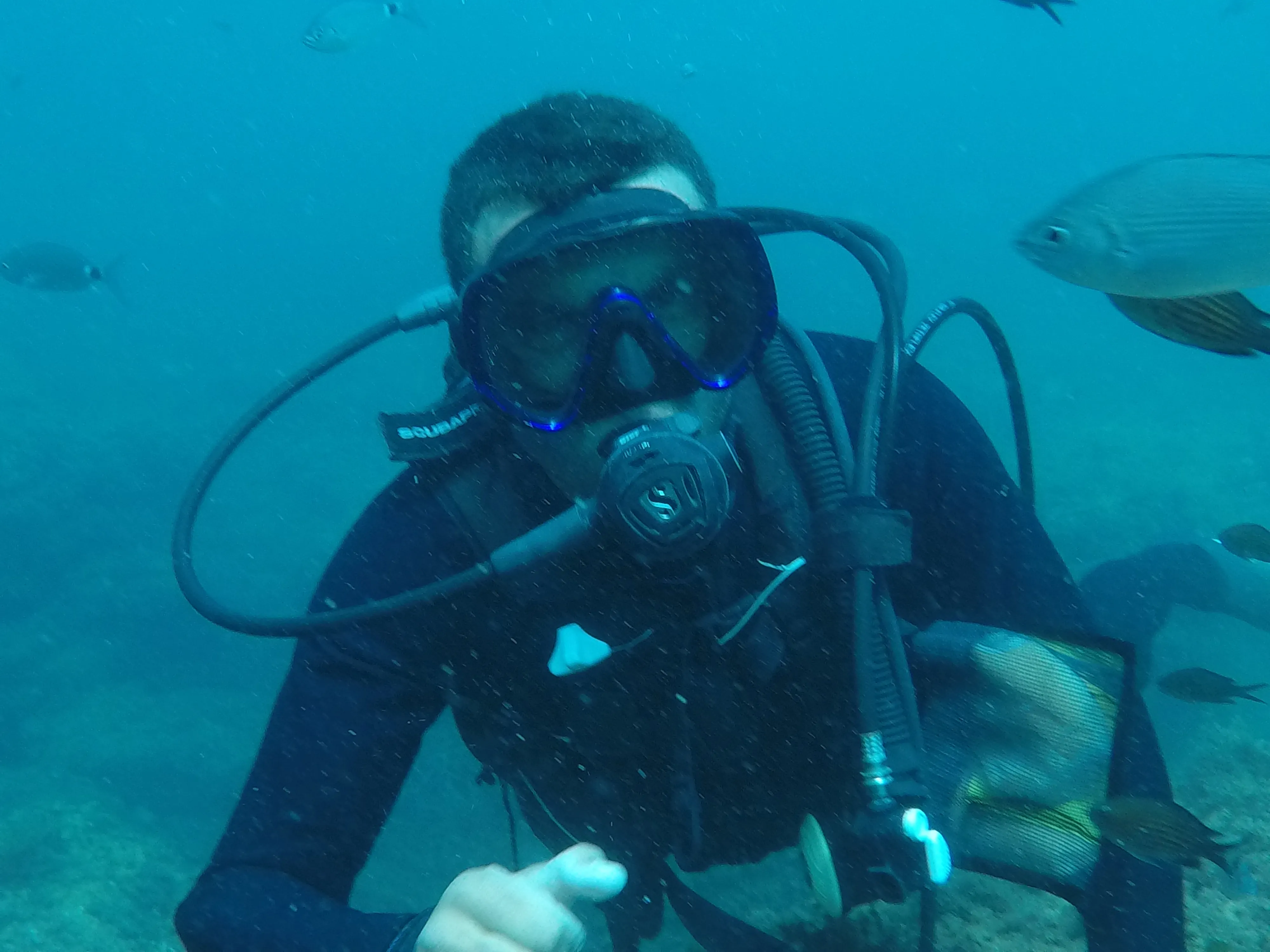
An open water diver course combines knowledge development, confined-water training, and open-water dives to prepare beginners for recreational scuba diving. Students learn how pressure affects the body, how scuba equipment works, and how to manage buoyancy, communicate underwater, and follow diving safety procedures. Instructors guide students through practical exercises and assess their skills throughout the course.
After completing the required training and assessments, students can earn a recognized certification that permits recreational diving within the limits of their qualification, experience, and applicable standards. Unlike Discover Scuba Diving, which provides a supervised introduction to scuba diving, open water scuba certification involves structured learning and demonstrated competency. It prepares divers for recreational diving while establishing the skills and safety practices needed underwater.
Who Can Enroll in an Open Water Diver Course?
An open water diver course is designed for beginners who want to learn scuba diving through structured training. Although previous diving experience is generally unnecessary, students must meet the certification agency's eligibility requirements before starting.
- Previous experience: Most entry-level courses accept beginners without prior scuba certification. Students develop the necessary skills during training for open water scuba certification.
- Age requirements: Minimum age limits vary by certification agency and course level. Confirm the applicable requirements before enrolling.
- Swimming ability: Students must meet the prescribed swimming and water-comfort requirements for their chosen course.
- Medical fitness: Participants must complete the required medical questionnaire. Certain health conditions may require medical clearance before diving.
- Commitment to training: Students must complete the required learning sessions, attend practical training, and demonstrate the skills needed for certification.
What Does an Open Water Scuba Certification Course Include?
An open water scuba certification course generally consists of three stages: knowledge development, confined-water training, and open-water dives. Each stage builds the knowledge and practical skills required for entry-level scuba diving.
1. Knowledge Development
Knowledge development covers diving principles, pressure changes, buoyancy, equipment functions, dive planning, and safety procedures. Students learn how depth affects air consumption and ear pressure, how regulators and buoyancy control devices work, and how to monitor dive limits. Study methods may include online modules, manuals, or classroom sessions, followed by knowledge reviews or assessments required by the certification agency.
2. Confined-Water Training
Confined-water training takes place in a swimming pool or another suitable, controlled environment. Students learn to assemble and check scuba equipment, breathe through a regulator, clear a partially flooded mask, manage buoyancy, and communicate using underwater hand signals. Instructors demonstrate each skill before students practice it. This stage allows students to develop and demonstrate the required techniques before applying them during open-water dives.
3. Open-Water Training Dives
During open-water training, students apply their skills at suitable natural-water dive sites under instructor supervision. Training includes equipment checks, controlled descents and ascents, buoyancy practice, and assessments of required diving skills. Students must complete the prescribed dives and demonstrate the required competency before earning certification. The number of dives and specific performance requirements depend on the certification agency and course standards.
How Long Does It Take to Complete an Open Water Diver Course?
The time required to complete an open water diver course depends on the training format, course schedule, and how quickly students demonstrate the required skills. The course includes theory, confined-water practice, and supervised open-water dives.
- Theory sessions: Students complete online modules, independent study, or classroom lessons, depending on the program.
- Confined-water sessions: Beginners practice equipment use and essential skills until they meet the required standards.
- Open-water dives: These follow the necessary preparation and confined-water training.
- Individual progress: Some students need additional practice before advancing to the next stage.
- Booking considerations: If you plan to complete your course during a trip to Barbados, confirm the training schedule and required days before arranging other activities.
What Equipment Do Beginners Need for Scuba Training?
During scuba training, beginners learn to use equipment that supports underwater breathing, movement, and buoyancy control. The equipment provided depends on the course and the training operator.
- Mask and fins: The mask provides underwater vision, while fins help divers move through the water.
- Regulator and scuba tank: The regulator delivers breathing gas from the tank at a pressure suitable for underwater breathing.
- Buoyancy control device (BCD): This equipment helps divers control their buoyancy during a dive.
- Exposure protection: A wetsuit or other suitable protection helps manage heat loss, depending on water conditions.
- Additional equipment: Weights, a pressure gauge, and a dive computer may be required for training and dive monitoring.
- Course inclusions: Confirm whether equipment rental is included and whether you need to bring personal items, such as a mask or fins.
Essential Skills You Will Learn During Scuba Training
During scuba training, students develop practical skills needed to dive responsibly and complete open water scuba certification. Instructors demonstrate each technique and assess students’ ability to perform it correctly.
- Buoyancy control: Adjust buoyancy to maintain a suitable position underwater.
- Breathing and regulator skills: Breathe continuously through the regulator and practice required regulator procedures.
- Mask-clearing techniques: Learn how to clear water from the mask while underwater.
- Equalization: Equalize ear pressure as depth changes.
- Underwater communication: Use hand signals to communicate with a dive buddy.
- Dive planning and monitoring: Follow dive plans and monitor breathing gas, depth, and time.
- Safety procedures: Practice responses to situations covered in the course.
Is an Open Water Diver Course Safe for Beginners?
An open water diver course introduces beginners to scuba diving through structured training, qualified instruction, and supervised practice. Instructors explain equipment checks, essential safety procedures, and how to respond to common problems. Students must complete required medical screening, disclose relevant health concerns, and follow instructions throughout training. They also learn to breathe continuously, equalize pressure appropriately, and communicate discomfort during a dive.
Scuba diving still involves risks, and certification does not eliminate them. Weather, underwater visibility, currents, and individual health can affect dive planning. Students should progress only when they can demonstrate the required skills and feel ready for the next stage. Following the instructor’s directions, staying within training limits, and reporting concerns promptly are important parts of responsible diving.
What Makes Barbados a Place to Learn Scuba Diving?
Barbados offers opportunities to learn scuba diving in a marine environment, with training locations that may include coral reefs and sites featuring tropical fish. Some areas also have historic shipwrecks, although not every site is appropriate for beginners.
For anyone interested in scuba diving Barbados, choosing a suitable training site is important. Visibility, currents, swell, and other sea conditions influence where instructors conduct training dives. The selected location must match the student's ability and the course requirements.
When choosing a course, consider its training structure and supervision rather than the scenery alone. Confirm the certification agency, theory and confined-water arrangements, required open-water dives, and schedule before enrolling, especially when planning training during a holiday.
How Aquapros Barbados Can Help You Begin Your Scuba TrainingHow Aquapros Barbados Can Help You Begin Your Scuba Training
At Aquapros Barbados, we guide beginners through the steps involved in learning to scuba dive and earning an entry-level certification. Our Open Water training includes online learning, shallow-water skills practice, and supervised open-water dives. We help students build their knowledge of scuba equipment, underwater breathing, buoyancy control, and essential safety procedures before applying these skills during their dives. Our Course Director, Malek Nahas, brings more than 35 years of global diving instruction experience to our training approach.
We also offer introductory Discover Scuba experiences for those who want to try diving before committing to a full certification course. Our guided boat trips provide access to dive sites along Barbados' West Coast. Before booking, we encourage students to discuss their experience level, course requirements, training schedule, and equipment arrangements with our team. This helps us identify the appropriate option based on their goals and available time.
Conclusion
An open water diver course takes beginners through diving theory, practical skills training, and supervised open-water dives. Completing these stages helps students develop the knowledge and abilities needed for entry-level recreational diving. Before enrolling, check the course requirements, schedule, and certification arrangements to ensure they suit your plans. Ready to begin your open water scuba certification journey? Contact Aquapros Barbados to discuss the available training options and arrange your diving course.
Frequently Asked Questions
1. What is an open water diver course?
An open water diver course combines diving theory, confined-water practice, and supervised open-water dives to prepare beginners for entry-level scuba certification.
2. Can beginners enroll in an open water diver course without prior experience?
Yes. Entry-level courses are designed for beginners, although students must meet the relevant age, swimming, medical, and participation requirements.
3. How long does open water scuba certification take?
Course duration depends on the training agency, schedule, and student progress. Some programs can be completed over several days.
4. Do you need to know how to swim to become a certified diver?
Yes, students must meet the swimming and water-comfort requirements established by their chosen certification agency.
5. What is the minimum age for an open water diver course?
Minimum age requirements vary by certification agency and course level. Confirm the applicable age limit before enrolling.
6. What skills do you learn during open water scuba certification?
Students learn buoyancy control, equipment use, underwater communication, mask clearing, pressure equalization, dive planning, and essential safety procedures.
7. How many open-water dives are required for certification?
The number depends on the certification agency's standards. Many entry-level programs include four open-water training dives.
8. Is scuba diving certification valid internationally?
Recognized scuba certifications are generally accepted internationally, but divers must follow their qualification limits and meet individual operators' requirements.
9. What is the difference between Discover Scuba Diving and an open water diver course?
Discover Scuba Diving is an introductory experience under supervision, while an open water diver course involves structured training and assessments for certification.
10. Can you complete an open water diver course while visiting Barbados?
Yes. You can plan your training during a visit, provided your stay accommodates the required sessions, dives, and course schedule.