
Discover Scuba Diving: What to Expect

Created: November 13, 2026
Discover scuba diving is an introductory way to experience breathing underwater with scuba equipment under the supervision of a qualified instructor. For visitors interested in scuba diving Barbados, it offers an opportunity to experience the underwater environment without first completing a full scuba certification course.
A typical discover scuba diving experience includes a safety briefing, equipment preparation, basic skills practice, and a supervised dive. Knowing how these steps work helps first-time divers understand what to expect before entering the water. Previous scuba experience is generally not required, but participants must meet the program's eligibility requirements and follow the instructor's guidance throughout the activity.
What Is a Discover Scuba Diving Experience?
A discover scuba diving experience introduces beginners to scuba equipment, underwater breathing, and basic diving skills without requiring them to complete a full certification course. It allows participants to try scuba diving under professional supervision before deciding whether to pursue further training.
During the experience, participants typically:
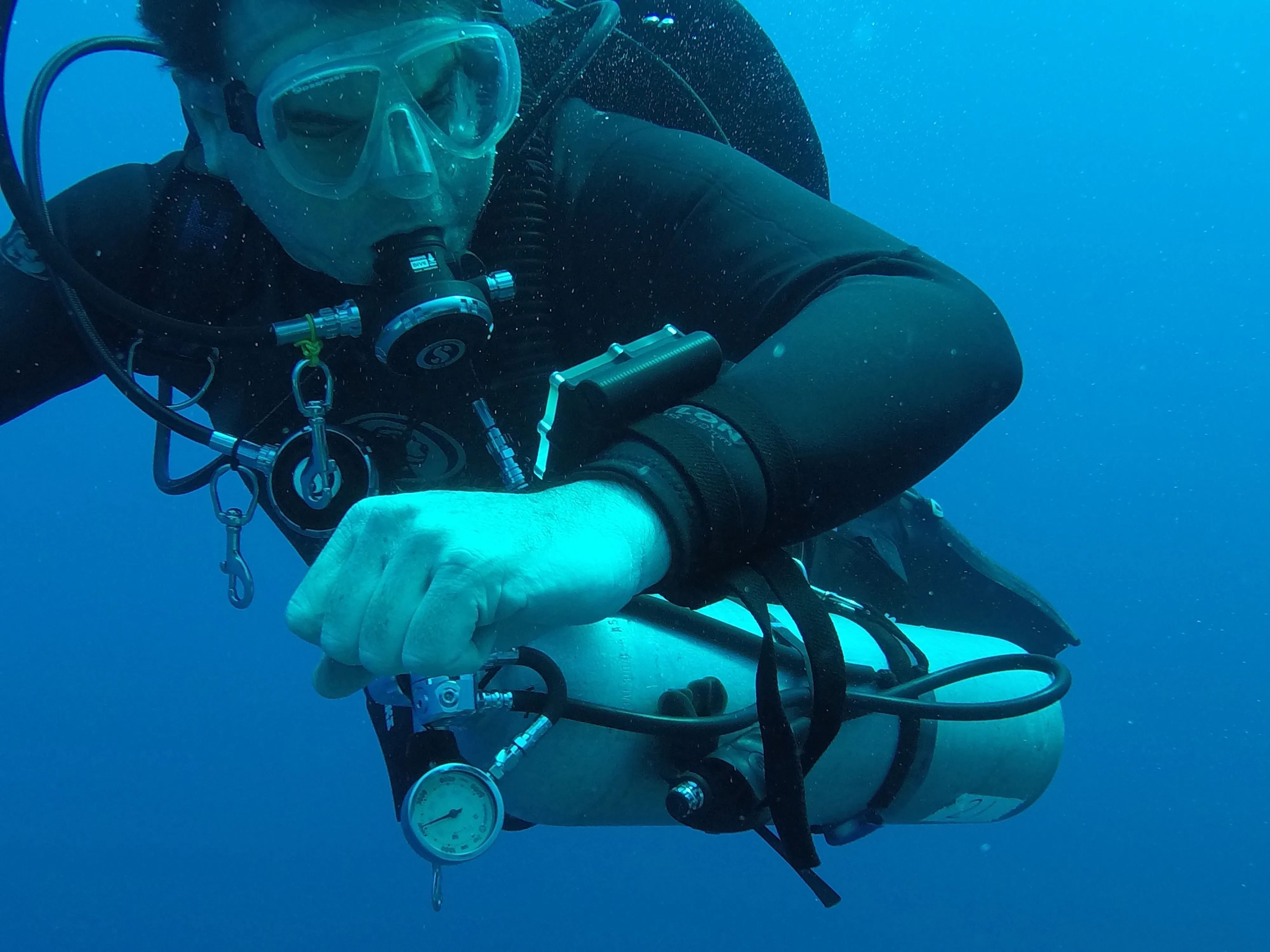
- Learn about scuba equipment: Understand how the mask, regulator, scuba tank, and buoyancy control device work.
- Practice basic skills: Become familiar with breathing through a regulator and using underwater hand signals.
- Follow instructor guidance: Learn how to move in the water and follow basic diving procedures.
- Explore underwater: Experience the marine environment within the limits of the introductory program.
Unlike a scuba certification course, an introductory dive does not qualify participants to dive independently or join dives that require certified divers.
Who Can Try Discover Scuba Diving?
Discover scuba diving is designed for people who want to try scuba diving without previous diving experience. However, participants must meet the age, health, and other eligibility requirements established by the program.
Before booking, consider these factors:
- Age requirements: Minimum age limits vary by program and training standards.
- Water comfort: Confirm the swimming ability and water-comfort requirements before participating.
- Medical fitness: Certain health conditions or medications may affect suitability for scuba diving.
- Personal comfort: Anyone who feels nervous about breathing underwater should discuss their concerns with the instructor.
What Happens Before Your First Dive?
Preparation begins with an instructor briefing that covers equipment use, basic diving skills, underwater communication, and safety procedures. Beginners are introduced to the equipment and learn how each item supports the dive.
The preparation process generally includes the following steps:
- Safety briefing: Learn the essential rules, hand signals, and procedures for communicating discomfort or requesting assistance.
- Equipment fitting: Become familiar with the mask, fins, regulator, scuba tank, and buoyancy control device.
- Breathing practice: Learn how to breathe through the regulator before beginning the dive.
- Basic skills practice: Depending on the program, practice introductory skills in shallow water before proceeding.
- Equipment checks: Make sure the equipment fits properly and is ready for use.
Participants should ask questions whenever an instruction is unclear. Understanding the equipment and knowing how to communicate underwater can help reduce uncertainty during a first dive. For those considering scuba diving lessons in the future, this introductory session also provides an initial understanding of the skills involved in learning to dive.
What to Expect During Your First Scuba Dive
The first dive introduces participants to breathing underwater and moving with scuba equipment. The instructor guides the activity according to the participant's readiness, the program requirements, and conditions at the dive site.
Entering the Water
Participants enter the water using the method appropriate for the location and conditions. The instructor helps them adjust to the equipment and become comfortable before proceeding.
Getting Used to Underwater Breathing
Breathing through a regulator may feel unfamiliar at first. Beginners need time to adjust to the sensation and maintain a steady breathing rhythm. Following the instructor's directions and avoiding rushed movements can make this adjustment easier.
Practicing Basic Skills
The instructor may guide participants through simple skills, such as:
- Maintaining a comfortable position in the water.
- Following basic underwater hand signals.
- Moving carefully while using scuba equipment.
- Staying close to the instructor throughout the dive.
Exploring the Underwater Environment
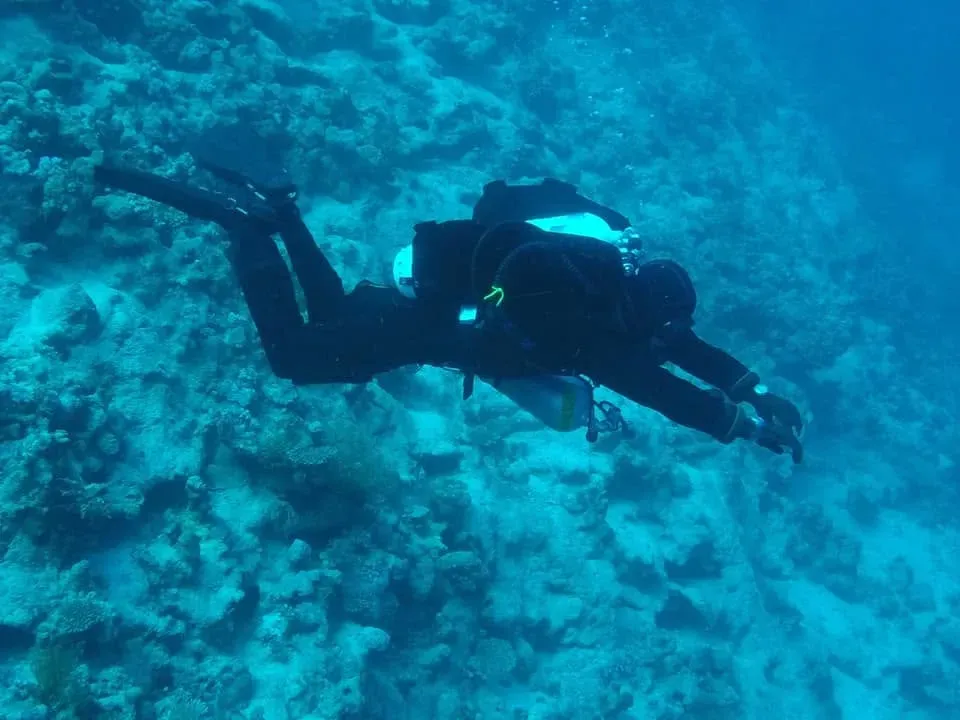
Once participants are comfortable and ready, the dive may include observing tropical fish, reef formations, and other marine life. During scuba diving Barbados, the marine life and underwater features participants encounter depend on the selected site, visibility, and conditions.
Following Safety Instructions
Participants must remain under the instructor's supervision and follow the planned depth and activity limits throughout the dive. If you experience discomfort, anxiety, or difficulty breathing, communicate with the instructor immediately. The experience should progress at a suitable pace rather than feel rushed.
Is Discover Scuba Diving Safe for Beginners?
Discover scuba diving involves certain risks, but proper preparation, suitable equipment, and professional supervision help manage them. Beginners should follow the instructor’s guidance, breathe continuously without holding their breath, and equalize ear pressure gently during descent. Checking equipment before entering the water and staying within the instructor’s supervision and planned depth limits are also essential. Participants should communicate immediately if they experience pain, anxiety, breathing difficulties, or other discomfort. Health conditions, weather, and water conditions can affect whether a dive should proceed. Understanding these precautions and respecting personal limits helps beginners approach scuba diving responsibly.
What Will You See While Discover Scuba Diving in Barbados?
The marine life and underwater features you encounter while scuba diving Barbados depend on the dive site, visibility, and sea conditions. Beginner-friendly locations may offer opportunities to observe tropical fish and reef habitats under the instructor's supervision.
- Tropical fish: Observe fish swimming around reef structures and other underwater habitats.
- Coral formations: See how coral reefs provide shelter and food for different marine species.
- Sea turtles: You may encounter sea turtles at certain dive sites, although sightings are not guaranteed.
- Wrecks and underwater structures: Some Barbados dive sites feature wrecks, but the instructor must determine whether a particular site is suitable for beginners.
What Should You Bring for Your Discover Scuba Diving Experience?
Preparing a few personal items can make your discover scuba diving experience more comfortable. Before departure, confirm which scuba equipment is included and whether the operator has any specific requirements.
- Swimsuit: Wear it under your clothes or arrive ready to change, depending on the arrangements.
- Towel and spare clothes: Bring these for after the dive.
- Reef-safe sunscreen: Apply it before the activity to protect exposed skin.
- Sunglasses and a hat: Useful when spending time on the boat.
- Drinking water: Bring water to stay hydrated before and after the activity.
- Personal essentials: Carry only the items permitted by the operator and suitable for the trip.
What Comes After Your First Scuba Diving Experience?
After your first dive, you can decide whether to try scuba diving again or pursue formal training. An introductory experience provides a basic introduction to the activity but does not replace a recognized scuba certification course.
- Try another introductory dive: Gain more supervised experience if a suitable program is available.
- Consider a certification course: Learn the theory, practical skills, and safety procedures required for entry-level certification.
- Ask about training requirements: Confirm prerequisites, course structure, practical sessions, and assessments before enrolling.
How Aquapros Barbados Helps First-Time DiversHow Aquapros Barbados Helps First-Time Divers
Choosing an introductory diving program with clear guidance helps beginners understand the process before entering the water. At Aquapros Barbados, we offer a Discover Scuba program for people who want to try scuba diving before committing to a full certification course.
Our approach focuses on helping participants understand the equipment, basic diving procedures, and safety requirements involved in their first underwater experience. Professional guidance and appropriate preparation are important for beginners who may be unfamiliar with scuba equipment or underwater communication.
Our guided boat trips provide access to diving locations along Barbados' West Coast. The site selected for an introductory dive depends on the conditions and its suitability for the participant's experience level. Before booking, beginners can confirm program requirements, equipment arrangements, and other practical details to understand what their experience will involve.
Conclusion
Discover scuba diving offers a practical way to experience underwater breathing and observe marine life without first completing a full certification course. For beginners, understanding the equipment, following safety procedures, and receiving appropriate instructor guidance are essential parts of the experience. Barbados offers opportunities to explore underwater environments, with the specific dive location depending on conditions and suitability. If you are ready to try scuba diving for the first time, book your introductory dive with Aquapros Barbados and experience the underwater world with professional guidance.
Frequently Asked Questions
1. What is discover scuba diving?1. What is discover scuba diving?
Discover scuba diving is an introductory activity that teaches beginners basic scuba skills and allows them to experience underwater breathing under professional supervision.
2. Do you need to be certified to try discover scuba diving?
No. Introductory programs are designed for eligible beginners who have not completed a full scuba certification course.
3. Is discover scuba diving suitable for beginners?
Yes, eligible beginners can participate under professional supervision. Participants must meet the program's age, health, and other requirements.
4. Do you need to know how to swim to try scuba diving?
Requirements vary by program. Confirm the swimming ability and water-comfort requirements with the operator before booking.
5. What happens during a discover scuba diving experience?
The experience generally includes a safety briefing, equipment preparation, basic skills practice, and a supervised underwater dive.
6. How deep do you go during a discover scuba dive?
The maximum depth depends on the introductory program, applicable training standards, participant readiness, and dive conditions.
7. How long does a discover scuba diving experience last?
The total duration varies by operator and may include the briefing, equipment fitting, preparation, boat travel, and time in the water.
8. What marine life can you see while scuba diving in Barbados?
Depending on the dive site and conditions, you may see tropical fish, coral formations, and sea turtles. Sightings are not guaranteed.
9. What is the difference between discover scuba diving and scuba certification?
An introductory dive provides a supervised trial, while certification involves structured training and assessments required for the relevant qualification.
10. How can you book a discover scuba diving experience in Barbados?
Contact a local diving operator to confirm availability, eligibility requirements, equipment inclusions, and booking arrangements before scheduling your introductory dive.