/filters:format(jpeg,png)/fit-in/300x300/guide_websites/184455/images/1790948517090aqchvfb7um6kicfhrjb3jrj-o9bdkc2btyvdffyxos7zvtphpe6fzvp4gwfwvdcpmwm0v8cp5ow1xzhbeqlqnbw-ucug_ykib6we-wopwzr5bam2ze_znufcqklbxfv36kwsutq4u4s4srjmgospnx41wgzgix5sudcs300.jpg)
/filters:format(jpeg,png)/fit-in/237x80/guide_websites/184455/images/1790948517090aqchvfb7um6kicfhrjb3jrj-o9bdkc2btyvdffyxos7zvtphpe6fzvp4gwfwvdcpmwm0v8cp5ow1xzhbeqlqnbw-ucug_ykib6we-wopwzr5bam2ze_znufcqklbxfv36kwsutq4u4s4srjmgospnx41wgzgix5sudcs300.jpg)
Scuba Diving Shipwreck in Barbados
Shipwreck Diving in Saint James - What to Expect
%2F%2Fusers%2F96583069-9ca1-4a40-b030-74410aff16ba%2Fimages%2Funderwater-wreck-diving-exploration-2496.jpeg&w=1920&q=75)
Scuba Diving Charter by Instructor Malek Nahas in September
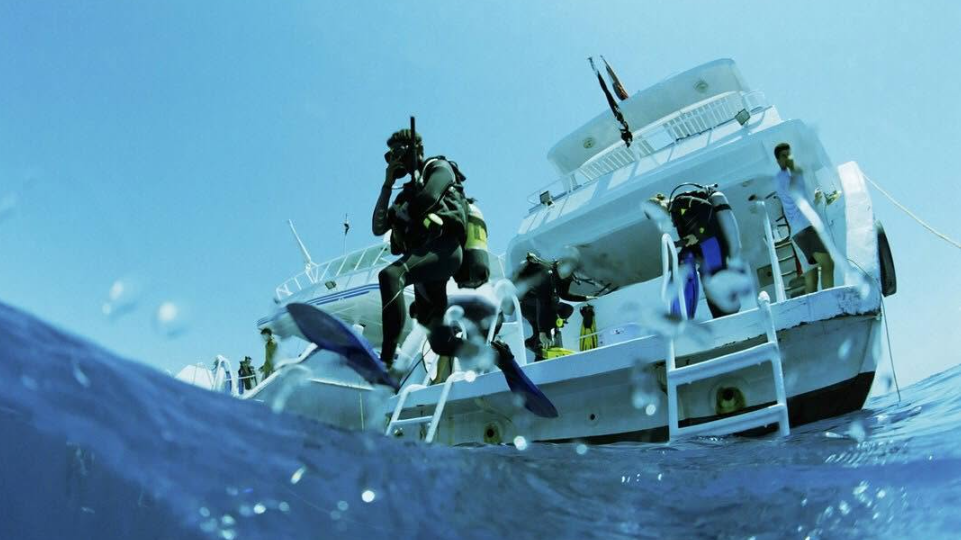
- Premier Scuba Diving Center In Barbados


Summary
Join a Fishing Activity Charter on Wednesday, September 30th to explore underwater shipwrecks with Captain Malek Nahas of Aquapros Barbados. This diving experience in Saint James offers close encounters with coral-covered structures and rich marine habitats, perfect for divers seeking adventure and natural beauty beneath the surface.
Scuba Diving with Captain Malek Nahas - Rates & Booking
Captain Malek Nahas of Aquapros Barbados offers diving charters in Saint James on Wednesday, September 30th. These guided dives provide access to some of Barbados' most remarkable underwater sites, including shipwreck explorations where decades of marine colonization have created stunning coral ecosystems. Contact Aquapros Barbados to reserve your spot and discuss specific package details including group size, duration, and any specialized equipment needs.
Highlights of Shipwreck Diving
Exploring submerged shipwrecks offers divers a unique combination of history and natural wonder. The vessels that rest on the seafloor become artificial reefs over time, attracting marine life and becoming covered in vibrant coral growth. These structures provide fascinating environments to navigate while observing how nature reclaims human-made objects. The layered history of these sites, combined with the thriving ecosystems that develop around them, makes shipwreck diving an engaging and educational experience for divers of all experience levels.
Saint James, Barbados provides excellent conditions for this type of diving. The waters around the island support healthy coral development and diverse marine communities that flourish on wreck structures. Divers can observe the transformation of the shipwreck into living reef habitat, witnessing firsthand how coral polyps, sponges, and other organisms build new ecosystems on these submerged platforms.
Underwater Shipwreck Experience
Diving on shipwrecks creates a distinctive experience that combines exploration, observation, and connection with the underwater world. The structures themselves tell stories of maritime history, while the marine life inhabiting them demonstrates nature's remarkable ability to adapt and thrive. When you descend toward a coral-covered wreck, you're entering an environment shaped by both human history and natural processes.
The coral growth on these structures develops gradually over many years. Coral larvae settle on the wreck's surfaces and establish colonies that expand slowly. Alongside the coral, other organisms including sponges, hydroids, and various algae species colonize the wreck. This biological community transforms the shipwreck into a productive reef system that supports fish populations and provides shelter for nocturnal creatures. Divers exploring these sites observe this complex ecosystem in action, seeing how each organism contributes to the larger marine community.
Water conditions around Saint James generally support good visibility for observing these details. The clarity allows divers to appreciate both the structure of the wreck and the life that inhabits it. Lighting becomes important when exploring wreck interiors or examining coral formations closely. The depth, current, and structure of the wreck all influence the diving experience and determine which routes divers can safely explore.
Navigation around a shipwreck requires attention and respect for the structure's integrity. Divers learn to move carefully around the wreck, staying aware of their position in three-dimensional space. This careful exploration allows divers to fully appreciate the wreck's features and the coral formations without disturbing the environment. Understanding proper wreck diving techniques ensures both diver safety and protection of the marine ecosystem.
The combination of historical context, geological formation, and living marine ecosystem creates a multidimensional diving experience. Each visit reveals new details and behavioral patterns of reef residents. Coral-covered wrecks in Barbados waters represent some of the most rewarding diving opportunities in the region, offering divers the chance to engage with both natural processes and maritime heritage in a single immersive experience.