/filters:format(jpeg,png)/fit-in/300x300/guide_websites/184455/images/1790948517090aqchvfb7um6kicfhrjb3jrj-o9bdkc2btyvdffyxos7zvtphpe6fzvp4gwfwvdcpmwm0v8cp5ow1xzhbeqlqnbw-ucug_ykib6we-wopwzr5bam2ze_znufcqklbxfv36kwsutq4u4s4srjmgospnx41wgzgix5sudcs300.jpg)
/filters:format(jpeg,png)/fit-in/237x80/guide_websites/184455/images/1790948517090aqchvfb7um6kicfhrjb3jrj-o9bdkc2btyvdffyxos7zvtphpe6fzvp4gwfwvdcpmwm0v8cp5ow1xzhbeqlqnbw-ucug_ykib6we-wopwzr5bam2ze_znufcqklbxfv36kwsutq4u4s4srjmgospnx41wgzgix5sudcs300.jpg)
Scuba Diving Coral Reef in Mirabel - Explore Underwater
Scuba Diving in Mirabel - What to Expect
%2F%2Fusers%2F96583069-9ca1-4a40-b030-74410aff16ba%2Fimages%2Fscuba-diving-coral-reef-mirabel-2486.jpg&w=1920&q=75)
Scuba Diving Charter by Instructor Malek Nahas in September
- Premier Scuba Diving Center In Barbados


Summary
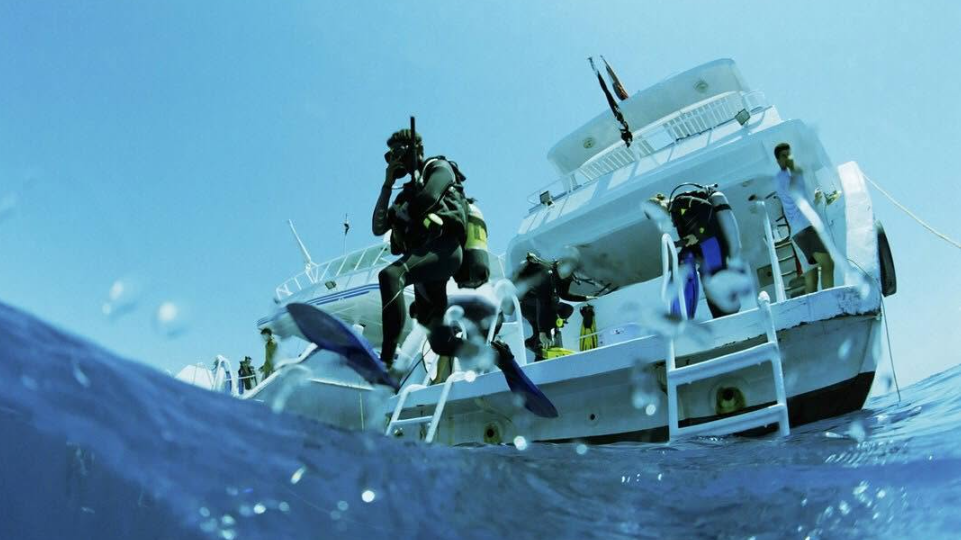
Join Captain Malek Nahas of Aquapros Barbados on a Friday, September scuba diving charter exploring the coral reefs around Mirabel. This fishing activity charter offers divers the chance to experience thriving reef ecosystems, stunning underwater landscapes, and the natural beauty of the region's diving environment.
Scuba Diving with Captain Malek Nahas - Rates & Booking
Captain Malek Nahas of Aquapros Barbados leads scuba diving charters on Friday, September, providing experienced guidance for divers exploring the underwater world around Mirabel. This fishing activity charter welcomes divers ready to discover coral reef systems and marine habitats. For specific details about group size, duration, and what's included with your dive charter, contact Aquapros Barbados directly to reserve your spot and learn about current rates and availability.
Highlights of Your Diving Experience
The underwater environment around Mirabel offers divers access to thriving coral reef ecosystems. These reefs represent complex habitats where diverse marine life congregates, providing an immersive experience into how reef systems function and support ocean biodiversity. Divers will witness the structural architecture of coral formations and observe how reef inhabitants utilize these underwater landscapes.
Scuba diving in this region allows visitors to understand reef ecology firsthand. The combination of water clarity, reef composition, and marine presence creates conditions where divers can safely observe and appreciate the intricate relationships within the reef community.
Coral Reef Diving Experience
Coral reefs are among Earth's most productive ecosystems, supporting complex food webs and serving as nurseries for countless fish species. When exploring reefs by scuba, divers experience the reef's three-dimensional structure directly - from towering coral heads to branching formations and encrusting varieties. Each coral type provides different habitat niches for fish, invertebrates, and other organisms.
The diving experience around Mirabel showcases how reef systems interact with local water conditions. Reef health depends on multiple factors including water temperature, light penetration, nutrient levels, and water movement. Divers in this area observe these conditions and how they influence the reef community. You'll notice fish behavior patterns, feeding activity, and how different species utilize reef zones at varying depths.
Understanding reef composition helps divers appreciate what they're seeing. Hard corals build the reef framework through their calcium carbonate skeletons, creating the three-dimensional structure. Soft corals and other invertebrates add complexity. Fish species range from small damselfish defending coral patches to larger groupers hunting in reef crevices. Observing these interactions provides insight into reef dynamics and marine behavior.
Water conditions during your dive will influence visibility, comfort, and what marine life is active. Clearer water allows divers to see greater distances and observe behavior from further away. Current and surge patterns affect how fish position themselves and where divers can safely explore. Temperature influences which species are most active and visible.
Plan Your Diving Day
Scuba diving charters typically begin with a briefing covering the planned dive site, depth, duration, and any specific marine life or features to expect. Divers confirm their equipment, check air supply, and verify all gear functions properly before entering the water. The dive typically follows reef contours, allowing divers to explore gradually while maintaining buoyancy control and staying within safe depth parameters.
Group dynamics during scuba diving emphasize buddy systems and team awareness. Divers stay aware of their air consumption, depth, bottom time, and team position throughout the dive. Captain Malek Nahas and the Aquapros Barbados team provide the expertise and safety protocols that allow divers to focus on observing and appreciating the reef environment.
After the dive, many operators provide time for rest, hydration, and recovery before any additional dives. Discuss your dive experience, share observations, and learn more about what you witnessed underwater.