/filters:format(jpeg,png)/fit-in/300x300/guide_websites/184455/images/1790948517090aqchvfb7um6kicfhrjb3jrj-o9bdkc2btyvdffyxos7zvtphpe6fzvp4gwfwvdcpmwm0v8cp5ow1xzhbeqlqnbw-ucug_ykib6we-wopwzr5bam2ze_znufcqklbxfv36kwsutq4u4s4srjmgospnx41wgzgix5sudcs300.jpg)
/filters:format(jpeg,png)/fit-in/237x80/guide_websites/184455/images/1790948517090aqchvfb7um6kicfhrjb3jrj-o9bdkc2btyvdffyxos7zvtphpe6fzvp4gwfwvdcpmwm0v8cp5ow1xzhbeqlqnbw-ucug_ykib6we-wopwzr5bam2ze_znufcqklbxfv36kwsutq4u4s4srjmgospnx41wgzgix5sudcs300.jpg)
Scuba Diving Saint James Barbados
Scuba Diving in Saint James - What to Expect
%2F%2Fusers%2F96583069-9ca1-4a40-b030-74410aff16ba%2Fimages%2Fscuba-diver-underwater-equipment-2575.jpeg&w=1920&q=75)
Scuba Diving Charter by Instructor Malek Nahas in September
- Premier Scuba Diving Center In Barbados


Summary
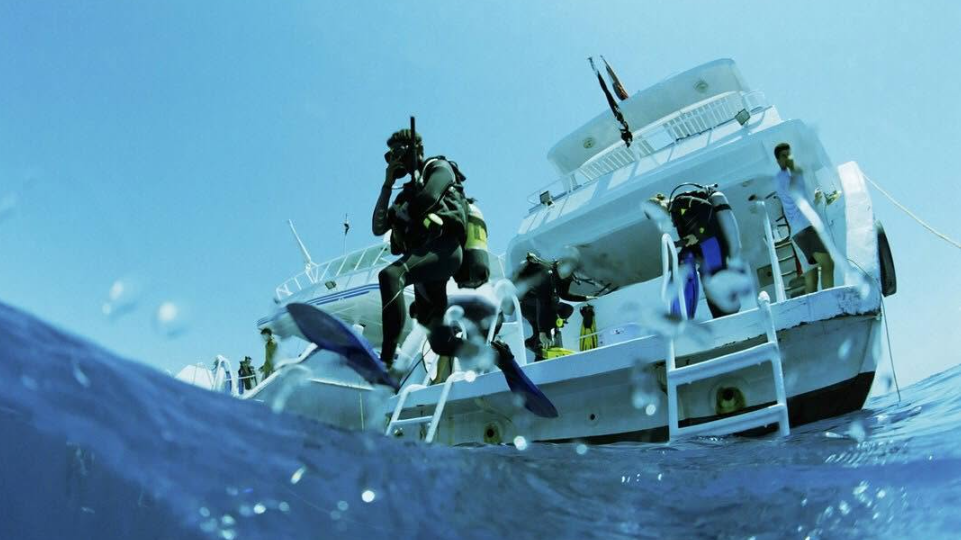
Join a Fishing Activity Charter in Saint James, Barbados on Wednesday, September 30th to explore the underwater world through scuba diving. This diving experience takes you beneath the surface to discover local marine environments and reef systems while learning about aquatic habitats and diving techniques in Caribbean waters.
Scuba Diving with Captain Malek Nahas - Rates & Booking
Captain Malek Nahas of Aquapros Barbados on Wednesday, September 30th offers scuba diving adventures in the waters around Saint James and Mirabel. This diving activity charter provides the opportunity to explore underwater environments while developing or refining your diving skills in tropical Caribbean conditions. To learn about current rates, inclusions, and availability for your group, contact Aquapros Barbados directly for booking details and package information.
Highlights of Scuba Diving with Aquapros Barbados
Saint James offers excellent conditions for scuba diving with accessible reef systems and diverse marine environments. The waters around Mirabel provide varied underwater terrain suitable for divers of different experience levels. You'll experience the clarity and warmth typical of Caribbean diving destinations, where reef structures and marine life create engaging underwater exploration opportunities.
Scuba diving in this region allows you to observe how marine ecosystems function at depth. You'll learn to navigate underwater environments, manage buoyancy effectively, and understand how different depths and water conditions affect your dive experience. The combination of clear water visibility and structured reef habitats makes this area productive for both learning and discovery.
The Scuba Diving Experience
Underwater diving is fundamentally about understanding and navigating the marine environment below the surface. When you descend with proper equipment and training, you enter a realm with different physics, light patterns, and pressure dynamics. The experience teaches you how to breathe deliberately, control your position in three-dimensional space, and observe marine life in their natural habitat.
The equipment you use - tanks, regulators, buoyancy compensators, and exposure protection - serves specific functions. Your air tank stores compressed air at high pressure, which the regulator reduces to breathable pressure as you inhale. Buoyancy control lets you maintain neutral position at any depth rather than sinking or rising. Understanding this equipment and how it responds to depth changes is central to safe and enjoyable diving.
In Caribbean locations like Saint James and Mirabel, the diving environment typically features reef structures, sandy areas, and rock formations. These underwater landscapes develop over years through coral growth and geological processes. At various depths, you'll observe how light penetration changes - colors fade to blues and grays as you go deeper because water absorbs wavelengths differently than air. This teaches you about light behavior and how marine vision works differently than terrestrial sight.
Diving also reveals how marine species interact with their environment. You observe feeding behaviors, protective strategies, and how different organisms occupy specific depth zones. This firsthand observation builds understanding about marine ecology that's impossible to gain from land-based observation alone.
The physical sensations of diving - pressure changes, water temperature, current direction - provide tangible lessons about oceanography. You learn why depth matters, how temperature affects buoyancy and gas behavior, and how currents influence dive planning and navigation. These aren't abstract concepts but real factors you manage during every dive.
Safety in scuba diving depends on continuous monitoring and deliberate technique. You track your air consumption to ensure safe ascent, manage your depth to avoid pressure-related issues, and stay aware of your buddy and surroundings. This disciplined approach to safety allows you to focus on the experience while maintaining control throughout your dive session.