/filters:format(jpeg,png)/fit-in/300x300/guide_websites/184455/images/1790948517090aqchvfb7um6kicfhrjb3jrj-o9bdkc2btyvdffyxos7zvtphpe6fzvp4gwfwvdcpmwm0v8cp5ow1xzhbeqlqnbw-ucug_ykib6we-wopwzr5bam2ze_znufcqklbxfv36kwsutq4u4s4srjmgospnx41wgzgix5sudcs300.jpg)
/filters:format(jpeg,png)/fit-in/237x80/guide_websites/184455/images/1790948517090aqchvfb7um6kicfhrjb3jrj-o9bdkc2btyvdffyxos7zvtphpe6fzvp4gwfwvdcpmwm0v8cp5ow1xzhbeqlqnbw-ucug_ykib6we-wopwzr5bam2ze_znufcqklbxfv36kwsutq4u4s4srjmgospnx41wgzgix5sudcs300.jpg)
Pufferfish Diving in Saint James Barbados
Diving Experience in Saint James - What to Expect
%2F%2Fusers%2F96583069-9ca1-4a40-b030-74410aff16ba%2Fimages%2Fpufferfish-swimming-underwater-ocean-2422.jpg&w=1920&q=75)
Scuba Diving Charter by Instructor Malek Nahas in September
- Premier Scuba Diving Center In Barbados


Summary
Join Captain Malek Nahas on a Fishing Activity Charter through Aquapros Barbados for an unforgettable diving experience in the warm waters off Saint James. This Friday in September brings ideal conditions to explore thriving coral ecosystems and encounter fascinating pufferfish and other reef species in their natural habitat.
Diving with Captain Malek Nahas - Rates & Booking
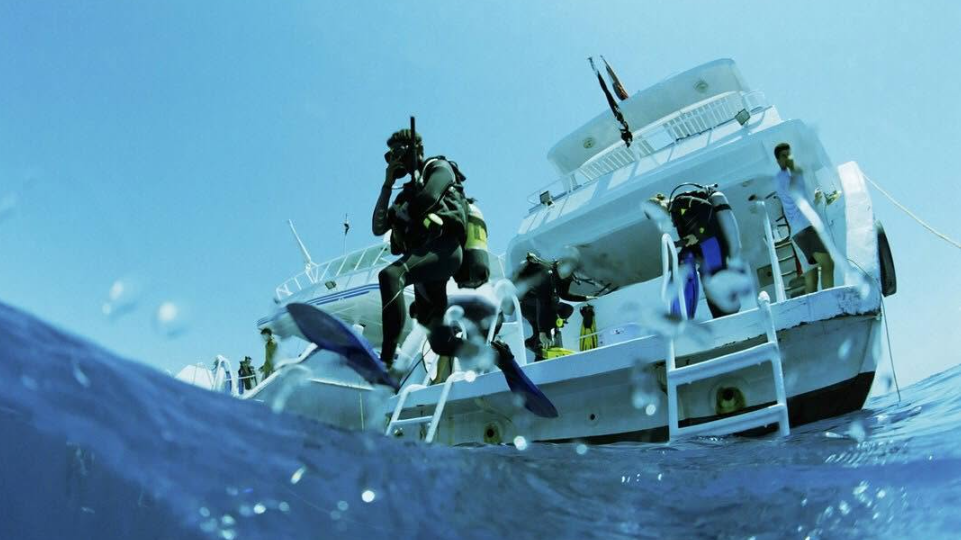
Captain Malek Nahas of Aquapros Barbados leads diving adventures on Friday, September 11th, offering an authentic way to experience the marine richness of Saint James. Whether you're new to diving or seasoned underwater, this charter provides direct access to thriving coral formations and abundant reef life just minutes from shore.
The experience focuses on exploring healthy reef ecosystems where you'll encounter the diverse marine inhabitants that call these waters home. All diving equipment and professional guidance are included to ensure a safe, comfortable experience for every participant. Captain Malek's local knowledge means you'll visit prime reef zones that showcase the best of Barbados' underwater world.
Ready to book? Contact Aquapros Barbados to reserve your spot and get current rates for this diving charter.
Highlights of Your Reef Diving Adventure
The coral gardens around Saint James attract an incredible array of tropical fish species and marine life. You'll drift through nutrient-rich waters where the reef structure creates natural highways for reef inhabitants. The shallow to moderate depths make this accessible for different skill levels while still delivering the immersive reef experience you're after.
The clear blue waters and established reef systems create perfect conditions for observing marine behavior and photography. Local coral species have built robust structures over decades, providing shelter and feeding grounds for countless reef dwellers. This is where the underwater activity truly comes alive.
Local Species Insights: Pufferfish & Reef Life
Pufferfish are some of the most entertaining reef residents you'll encounter in Saint James waters. These curious fish navigate coral gardens with surprising grace, despite their unique body shape. What makes them fascinating is their ability to communicate through color changes and movement patterns. When startled, they puff up as a defense mechanism - a remarkable adaptation you might witness during your dive.
In healthy reef systems like those around Saint James, pufferfish typically feed on small crustaceans and algae. They're generally peaceful reef inhabitants that occupy specific territories within the coral. Spotting one usually means you're in a quality reef zone with good biodiversity. The presence of pufferfish alongside other species indicates a balanced ecosystem.
Beyond pufferfish, expect to see parrotfish grazing on coral, snappers cruising the deeper channels, and schooling jacks moving through open water. Groupers often hide within coral heads, emerging when feeding opportunities arise. Smaller reef fish create a constant activity level - darting between coral branches, investigating shadows, and responding to the presence of your group.
The reef structure itself tells a story. Older coral heads show years of growth and damage recovery. Some areas display healthy branching corals while others feature brain corals and boulder formations. Each zone supports different species based on water flow, depth, and sunlight penetration. Captain Malek can point out these details and help you understand how reef ecosystems function in real time.
Diving these reefs teaches respect for the underwater environment. Every creature plays a role in maintaining reef health. Pufferfish help control small invertebrate populations, while parrotfish process coral sand. This interconnected system has thrived for centuries and continues to support tourism and local livelihoods in Saint James.
The experience of being immersed in this environment - surrounded by natural color, movement, and life - stays with you long after you surface. It's not just about spotting species; it's about understanding why these reefs matter and why protecting them matters too.