/filters:format(jpeg,png)/fit-in/300x300/guide_websites/184455/images/1790948517090aqchvfb7um6kicfhrjb3jrj-o9bdkc2btyvdffyxos7zvtphpe6fzvp4gwfwvdcpmwm0v8cp5ow1xzhbeqlqnbw-ucug_ykib6we-wopwzr5bam2ze_znufcqklbxfv36kwsutq4u4s4srjmgospnx41wgzgix5sudcs300.jpg)
/filters:format(jpeg,png)/fit-in/237x80/guide_websites/184455/images/1790948517090aqchvfb7um6kicfhrjb3jrj-o9bdkc2btyvdffyxos7zvtphpe6fzvp4gwfwvdcpmwm0v8cp5ow1xzhbeqlqnbw-ucug_ykib6we-wopwzr5bam2ze_znufcqklbxfv36kwsutq4u4s4srjmgospnx41wgzgix5sudcs300.jpg)
Scuba Diving Adventure in Saint James, Barbados
Diving Experience in Saint James - What to Expect
%2F%2Fusers%2F96583069-9ca1-4a40-b030-74410aff16ba%2Fimages%2Foffshore-platform-diving-adventure-2509.jpg&w=1920&q=75)
Scuba Diving Charter by Instructor Malek Nahas in September
- Premier Scuba Diving Center In Barbados


Summary
Join a fishing activity charter for scuba diving in Saint James, Barbados on Friday, September 11th. This diving experience combines offshore exploration with professional guidance, taking you through blue ocean waters where you can discover marine environments and reef systems unique to this region.
Scuba Diving with Captain Malek Nahas - Rates & Booking
Captain Malek Nahas of Aquapros Barbados offers diving activity charters on Friday, September 11th in Saint James, Barbados. As an experienced local guide, Captain Nahas provides professional oversight for scuba adventures in offshore waters, ensuring you have access to well-maintained diving equipment and safe conditions for exploration. To book your diving charter or inquire about availability and rates, contact Aquapros Barbados directly through their Mirabel location.
Highlights of Offshore Diving in Barbados
Saint James offers unique diving opportunities in blue ocean waters near offshore structures and natural reef formations. The region's coastal positioning provides access to diverse marine environments, from shallow reef systems to deeper offshore sites. Captain Nahas brings local knowledge of current patterns, seasonal conditions, and site selection that maximize your time underwater.
Scuba diving in Barbados combines tropical ocean conditions with established dive sites known for marine biodiversity. The offshore waters support various reef ecosystems where divers encounter different marine habitats depending on depth and location. This experience showcases what Caribbean diving environments have to offer throughout different seasons.
Dive Experience in Caribbean Waters
Scuba diving in Saint James involves more than just equipment preparation - it's about understanding the water conditions, marine environments, and proper techniques for safe underwater exploration. The blue ocean waters surrounding Barbados create specific diving conditions shaped by currents, visibility, and seasonal weather patterns.
When you dive in offshore locations, you're entering marine habitats that support various species adapted to specific depths and water conditions. Understanding these environments helps explain why certain areas attract divers: reef structures provide habitat for marine life, while water clarity and temperature affect what you'll encounter and how long you can safely dive.
Barbados's offshore diving areas represent different marine ecosystems. Shallow reefs support different organisms than deeper water sites, and seasonal changes affect visibility, water temperature, and the activity levels of marine life. Professional guides like Captain Nahas understand these variables and select dive sites appropriate for group skill levels and current conditions.
The preparation visible in images - equipment arranged and checked before departure - reflects essential safety protocols. Scuba gear requires proper inspection, fitting, and assembly before water entry. This pre-dive routine ensures all systems function correctly and that divers are comfortable with their equipment before descending. Experienced operators maintain rigorous equipment standards and provide thorough briefings covering site conditions, descent procedures, and safety protocols.
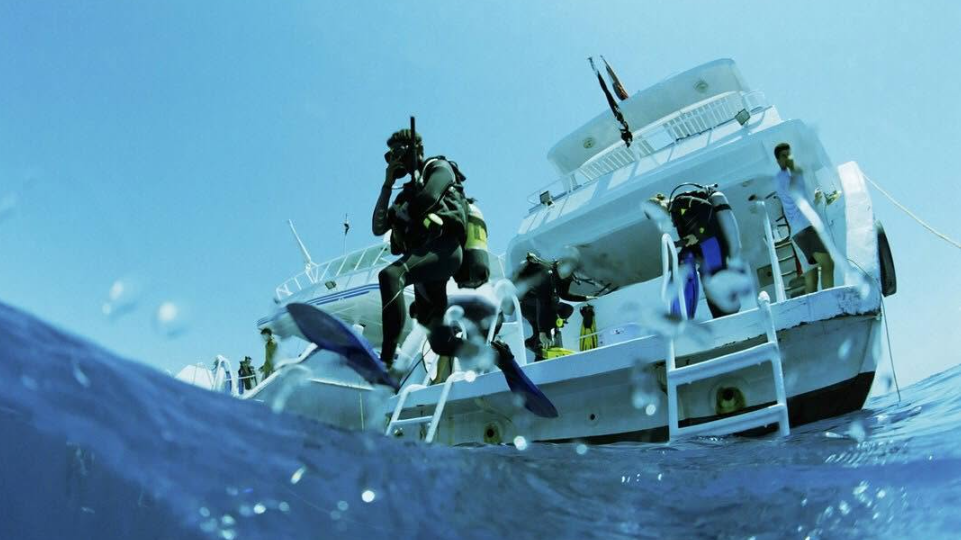
Diving from a boat in offshore waters means you're working with specific environmental factors: water depth, current direction, sea state, and visibility. These conditions change seasonally and even day to day, which is why local expertise matters. Captain Nahas's familiarity with Saint James waters includes knowing how conditions affect dive planning and which sites work best under different circumstances.
The blue ocean environment around Barbados supports healthy marine ecosystems. Dive sites in this region have developed reputations for specific features - some offer wreck diving opportunities, others feature healthy coral formations or unique rock structures. Each site presents different underwater topography and different opportunities for observing marine life in their natural habitats.
Safety in scuba diving depends on proper training, equipment maintenance, clear communication, and understanding environmental conditions. Professional charters prioritize these elements through pre-dive briefings, equipment checks, and guide oversight throughout the dive. This structure allows divers to focus on exploration and observation while trained professionals manage safety variables.