/filters:format(jpeg,png)/fit-in/300x300/guide_websites/184455/images/1790948517090aqchvfb7um6kicfhrjb3jrj-o9bdkc2btyvdffyxos7zvtphpe6fzvp4gwfwvdcpmwm0v8cp5ow1xzhbeqlqnbw-ucug_ykib6we-wopwzr5bam2ze_znufcqklbxfv36kwsutq4u4s4srjmgospnx41wgzgix5sudcs300.jpg)
/filters:format(jpeg,png)/fit-in/237x80/guide_websites/184455/images/1790948517090aqchvfb7um6kicfhrjb3jrj-o9bdkc2btyvdffyxos7zvtphpe6fzvp4gwfwvdcpmwm0v8cp5ow1xzhbeqlqnbw-ucug_ykib6we-wopwzr5bam2ze_znufcqklbxfv36kwsutq4u4s4srjmgospnx41wgzgix5sudcs300.jpg)
Coral Reef Diving in Barbados - Malek Nahas
Coral Reef Diving in Saint James - What to Expect
%2F%2Fusers%2F96583069-9ca1-4a40-b030-74410aff16ba%2Fimages%2Fcoral-reef-tropical-fish-diving-2282.jpg&w=1920&q=75)
Scuba Diving Charter by Instructor Malek Nahas in September
- Premier Scuba Diving Center In Barbados


Summary
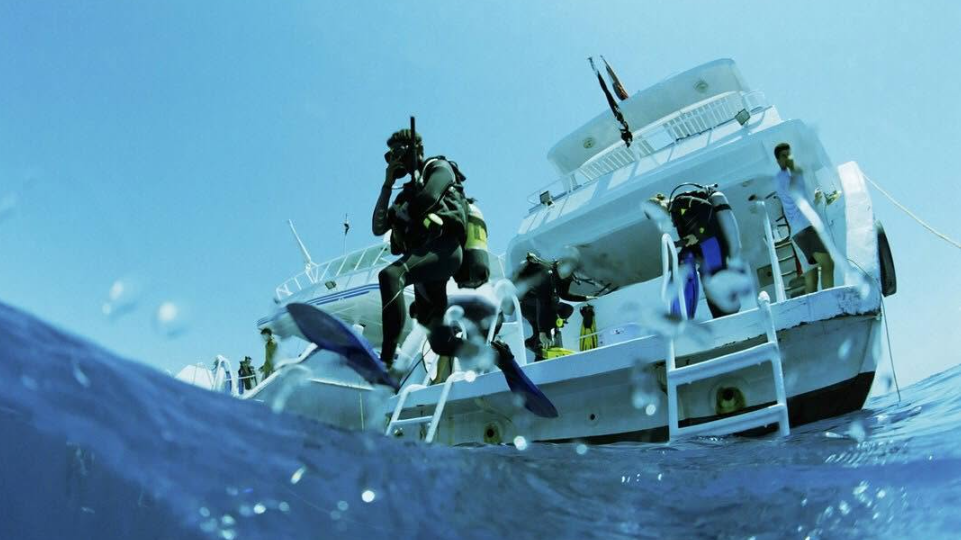
Experience a diving activity charter in Saint James on Friday, September with Captain Malek Nahas of Aquapros Barbados. Discover thriving coral formations and colorful tropical fish in pristine Caribbean waters, where the reef ecosystem showcases the region's natural beauty and marine diversity.
Diving with Captain Malek Nahas - Rates & Booking
Captain Malek Nahas of Aquapros Barbados led this diving activity charter on Friday, September 11th. This fishing activity charter offers guests the chance to explore the underwater world around Mirabel and the Saint James area, where coral reefs create one of Barbados's most memorable diving destinations.
The experience focuses on exploring reef systems and observing marine life in their natural habitat. Aquapros Barbados provides the expertise and local knowledge needed to find the best dive sites. For booking details, rates, and availability, contact Aquapros Barbados directly to reserve your spot on an upcoming charter.
Highlights of This Diving Experience
The highlight of this dive was encountering thriving coral formations teeming with colorful tropical fish. The reef ecosystem here is healthy and vibrant, offering divers the chance to witness the interconnected marine community that makes Caribbean diving special. Seeing fish species navigate and feed around the coral structures provides insight into how reef environments function as complete ecosystems.
The underwater landscape around Saint James features well-established coral gardens where visibility is typically excellent. This creates ideal conditions for observing marine behavior and appreciating the scale and complexity of reef systems. Whether you're an experienced diver or exploring reefs for the first time, the abundance of life and color makes each dive memorable.
Coral Reef Ecosystem and Marine Life
Coral reefs are among the most biodiverse environments on Earth, and the reefs around Barbados reflect this diversity. The coral formations visible here serve multiple purposes for marine life. They provide shelter, feeding grounds, and breeding areas for countless fish species. Tropical fish navigate these structures constantly, foraging and establishing territories within the reef system.
The reef environment around Saint James is characterized by both hard corals and soft corals, along with rocky outcrops and sandy patches. This variety creates distinct habitats for different species. Fish behavior changes depending on the reef structure and time of day, so divers often observe different activity levels throughout a single dive. Morning dives sometimes reveal different species composition than afternoon dives on the same reef.
The tropical fish population includes both large species and smaller schooling fish. Larger species use the reef for shelter and hunting grounds, while smaller fish dart between coral branches in feeding frenzies. The layered structure of healthy reefs means there's activity at every depth level, from shallow branching corals to deeper structures. Divers positioning themselves carefully can observe natural feeding and social behaviors without disturbing the ecosystem.
Visibility around Mirabel and the surrounding diving areas is generally good year-round, though conditions vary seasonally. Clear water allows for better observation of reef details and fish behavior. On good visibility days, the color saturation of coral and fish becomes apparent, making the underwater landscape feel more vibrant and alive than deeper or murky water conditions.
Planning Your Diving Day
A diving charter day with Aquapros Barbados typically involves traveling to dive sites accessible from Saint James and Mirabel. Captain Malek Nahas and his team manage the logistics of reaching quality reef sites and ensuring diver safety throughout the experience. The actual underwater time lets you focus on exploration and observation rather than navigation or logistics.
Bring your certification credentials if you're a trained diver. The team can advise on what to expect based on current conditions and your experience level. Even calm-looking reefs present their own challenges and rewards, so being honest about your comfort level helps the guide choose appropriate sites. Post-dive debriefing often includes discussion of what you observed and questions about reef ecology and fish behavior.