/filters:format(jpeg,png)/fit-in/300x300/guide_websites/184455/images/1790948517090aqchvfb7um6kicfhrjb3jrj-o9bdkc2btyvdffyxos7zvtphpe6fzvp4gwfwvdcpmwm0v8cp5ow1xzhbeqlqnbw-ucug_ykib6we-wopwzr5bam2ze_znufcqklbxfv36kwsutq4u4s4srjmgospnx41wgzgix5sudcs300.jpg)
/filters:format(jpeg,png)/fit-in/237x80/guide_websites/184455/images/1790948517090aqchvfb7um6kicfhrjb3jrj-o9bdkc2btyvdffyxos7zvtphpe6fzvp4gwfwvdcpmwm0v8cp5ow1xzhbeqlqnbw-ucug_ykib6we-wopwzr5bam2ze_znufcqklbxfv36kwsutq4u4s4srjmgospnx41wgzgix5sudcs300.jpg)
Coral Formations on Shipwreck - Barbados Dive
Shipwreck Diving in Barbados - What to Expect
%2F%2Fusers%2F96583069-9ca1-4a40-b030-74410aff16ba%2Fimages%2Fcoral-covered-shipwreck-diving-2517.jpg&w=1920&q=75)
Scuba Diving Charter by Instructor Malek Nahas in September
- Premier Scuba Diving Center In Barbados


Summary
Join Captain Malek Nahas of Aquapros Barbados on a Friday, September fishing activity charter exploring shipwreck dive sites. This underwater adventure reveals how coral colonies establish themselves on submerged structures, transforming wrecks into thriving reef habitats. Discover the marine ecosystem and natural formations that make diving in Barbados exceptional for ocean exploration.
Shipwreck Diving with Captain Malek Nahas - Rates & Booking
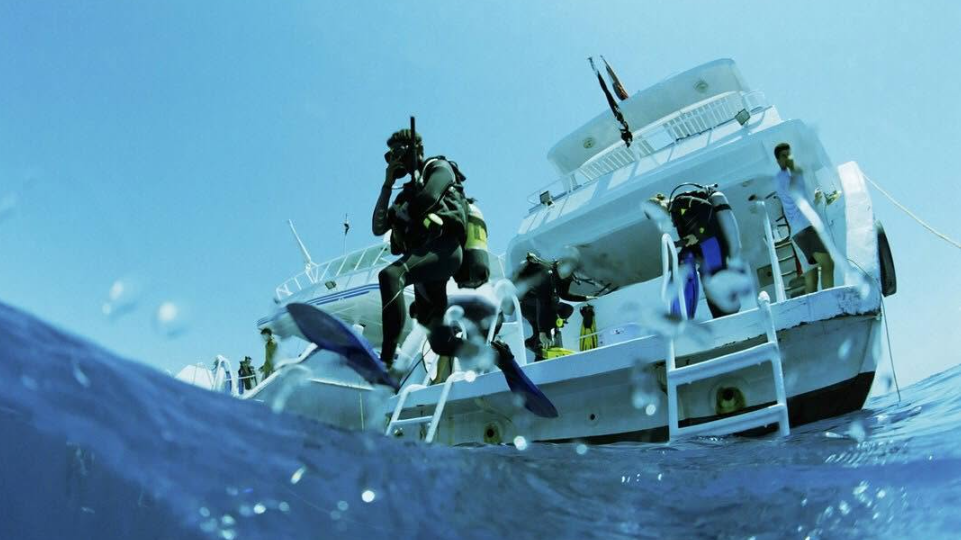
Captain Malek Nahas of Aquapros Barbados leads a Friday, September fishing activity charter to explore shipwreck formations in the waters around Mirabel. This guided diving experience takes you to submerged structures where marine life has created dynamic reef ecosystems. The dive showcases how shipwrecks become artificial reefs, supporting vibrant coral growth and diverse marine communities. Contact Aquapros Barbados to reserve your spot and learn more about inclusions and group arrangements.
Highlights of Shipwreck Diving
The primary highlight of this dive is observing how coral colonies thrive on man-made underwater structures. Orange and other colorful coral formations create a stunning visual landscape, while marine growth indicates a healthy, established reef environment. The shipwreck itself becomes an archaeological and ecological point of interest, showing how nature reclaims and transforms human artifacts into living habitats.
Diving this site provides insight into reef resilience and adaptation. The protected structures allow coral polyps to establish secure attachment points, accelerating colonization compared to open water. This creates concentrated biodiversity in a compact area, making it an excellent location for observing marine behavior and photographing coral formations.
Shipwreck Reef Ecosystems - The Underwater Experience
Shipwreck diving in Barbados offers a unique perspective on how marine environments evolve. When vessels sink, they become three-dimensional structures that provide ideal substrate for coral attachment. Over years, the wreck develops into an artificial reef with established coral colonies, sponges, and marine organisms.
The orange coral visible in shipwreck formations typically represents species adapted to moderate light and water flow. These corals build slowly, sometimes growing only a few millimeters annually. The presence of mature formations indicates the wreck has been underwater for extended periods, allowing ecological succession to proceed. Fish populations congregate around these structures for shelter and food sources, creating dynamic marine communities.
Water conditions around Barbados shipwrecks vary seasonally. Visibility typically ranges from adequate to excellent depending on conditions, allowing divers to appreciate the intricate details of coral colonies and marine growth. The wreck structure itself creates varied depths and microhabitats, supporting different species compositions at different levels.
Understanding what you observe during the dive enhances appreciation for marine resilience. The coral growing on the shipwreck demonstrates how quickly natural processes can transform artificial structures. Each coral polyp contributes to the colony's growth, and collectively they build protective calcium carbonate skeletons. This slow, deliberate process creates the formations visible in underwater photography.
The marine organisms surrounding coral formations play essential roles in the reef ecosystem. Some fish graze on algae growth, others hunt for food, and still others use the structure for nighttime shelter. Observing these interactions provides insight into how reefs function as interconnected communities rather than static environments.
Diving with an experienced guide like Captain Malek Nahas ensures you understand the ecological significance of what you're seeing. Local expertise helps identify species, explain environmental factors, and highlight the techniques that made this dive site special. Barbados' dive sites benefit from consistent conditions and established reef ecosystems that continue developing around wreck structures.